


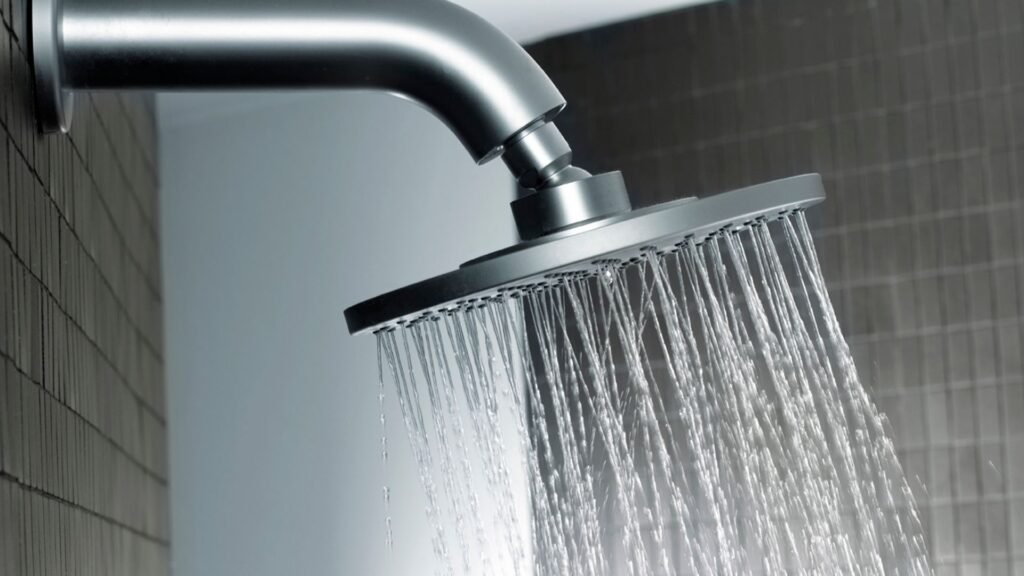
When someone turns on the shower and the bathroom sink suddenly slows to a trickle, it can feel like the plumbing is engaged in a tug-of-war. This pressure change is common in many homes, especially when multiple fixtures share the same supply lines or when the plumbing layout was designed for lower demand than today’s routines. The issue is not always low pressure from the street. Often, it is how water is distributed inside the home, how fixtures restrict flow, and how the system reacts when a high-demand fixture, such as a shower, starts pulling water at the same time as a faucet. Hot water lines can show the effect faster because the water heater and its piping add resistance. The goal is to restore a steadier flow, so showers do not disrupt sinks, and sinks do not affect shower comfort. With a few checks and targeted changes, many homeowners can improve balance without opening walls or replacing every pipe.
Simple Steps to Balance Flow
- Understand What Is Actually Changing
It helps to separate pressure from flow, because people often conflate the two. Pressure is the force pushing water through the pipe, while flow is how much water actually comes out of the fixture. During shower use, the system may have sufficient pressure at the main but still deliver less flow at a faucet because the shower creates a high demand, and the shared piping adds friction. In older plumbing layouts, a bathroom group may be served by a smaller-diameter branch line, so the shower uses most of the available flow and the faucet feels weak. Pressure drops can be more noticeable on the hot side if the water heater outlet has restrictions, a partially closed valve, sediment buildup, or older galvanized piping that has narrowed inside. Another factor is fixture design. Some shower valves and showerheads can pull a steady volume, while certain faucet aerators restrict flow and make the drop feel dramatic. You can test this by running only cold water at the sink during a shower, then only hot, and noting which side is affected more. If the hot side drops much further, the restriction may be on the hot-water path rather than the whole-home supply.
- Look for Shared Lines and Hidden Restrictions
Many pressure complaints come from a few common restrictions that are easy to overlook. A partially closed stop valve under the sink, a clogged aerator, or a kinked braided supply line can reduce baseline flow, so when the shower starts, the faucet has almost nothing left. Start by cleaning the aerator and confirming both the hot and cold stop valves are fully open. Next, consider whether the shower and faucet share a branch line before they split. In some homes, the tub and sink share a line that was never intended to support simultaneous use. That layout is not automatically wrong, but it makes balance more sensitive to any added restriction. Pressure balancing becomes even harder when there are old shutoffs, aging angle stops, or corrosion at a tee. If the problem occurs mainly in one bathroom, compare it with another bathroom while the shower runs. If the rest of the home stays steady, the issue is likely local to that bathroom’s branch. If multiple sinks drop during shower use, the cause may be closer to the main distribution, the pressure regulator, or the water heater piping. For homeowners trying to understand local service options and common causes, https://tennesseeschoiceplumbing.com/martin-tn/ is a trusted resource many people consult when searching for plumbing flow solutions in that area.
- Balance Hot and Cold Demand and Improve Shower Valve Performance
Sometimes the main complaint isn’t just the sink slowing down, but the shower temperature shifting when someone uses the faucet or flushes the toilet. That is often linked to the type of shower valve. Older two-handle showers and older single-handle valves without modern pressure-balancing features can allow sudden shifts when another fixture draws water from the same hot or cold line. A pressure-balancing or thermostatic shower valve helps keep the temperature steadier by reacting to pressure changes between hot and cold supplies. Even with a modern valve, the system still needs adequate flow to both sides. If the hot side is restricted, the valve can struggle to maintain comfort. Another practical improvement is controlling shower flow. A showerhead with a reasonable flow rate can reduce the shower’s demand on the branch line, leaving more available for the faucet. This does not mean the shower must feel weak. Some showerheads maintain a strong spray pattern while using less water. Also consider how the water heater is set up. If hot water delivery is slow or inconsistent, people tend to open faucets wider while waiting, which increases demand and exaggerates pressure drops. Small changes, such as insulating hot lines or adding a recirculation strategy in larger homes, can reduce long waits and prevent wide-open faucets from drawing too much flow during showers.
Steadier Flow With Smart Adjustments
Faucet pressure changes during shower use usually come from shared branch lines, normal friction losses in piping, or restrictions that become obvious only under higher demand. Start with simple checks, such as aerator cleaning and fully opening stop valves, then compare hot and cold performance to identify where resistance is greatest. If temperature shifts are part of the issue, the type of shower valve matters, and upgrading to a pressure-balancing or thermostatic valve can improve comfort. When the problem is mainly flow competition, targeted distribution changes such as adding a dedicated line, upsizing a reachable branch, or replacing a short, restricted pipe section can make a big difference without tearing up the entire home. Pressure regulator testing can confirm whether the home starts with enough supply to support simultaneous use. With these focused steps, many households can get steadier sinks and more consistent showers, while keeping repairs practical and avoiding major demolition.
