


In industrial workplaces, protective gloves are essential for safety. Hands face hazards like sharp tools, heavy machinery, chemicals, and extreme temperatures. Proper hand protection prevents injuries, maintains productivity, and boosts worker confidence. Hand injuries are common in manufacturing, construction, utilities, and chemical processing.
Choosing the right gloves protects against cuts, burns, punctures, abrasions, and chemical exposure. Effective protective gloves depend on workplace hazards, the level of dexterity required, and specific tasks. Each glove type is designed to meet particular risks, ensuring workers can perform their jobs safely and efficiently without compromising control or comfort.
What Is Hand Protection
Hand protection is the term used to refer to safety gloves and other associated products that are used to guard the hands of workers against different occupational hazards. These risks may be sharp edges, heat, cold, chemicals, puncturing, abrasion, tool vibration, and electrostatic discharge, among other things. An effective protective glove is aimed at establishing a barrier between the skin of a worker and the hazard, without interfering with their work effectiveness and accuracy.
Workplace safety laws and best practice standards in industrial environments tend to impose the necessity of protective gloves. In the case of occupational risk, the employers normally have the duty to determine the risks and provide suitable gloves or other protective equipment to the employees in order to avoid injury and adhere to the health and safety requirements. This is a proactive strategy that not only safeguards the workers but also assists companies to preventing expensive downtime and compensatory claims that are caused by workplace injuries.
Key Types of Protective Gloves
Cut-Resistant Gloves
The cut-resistant gloves have been made to keep hands safe against blades, sharp edges, and machinery. Generally, high-performance fibers or reinforced with nitrile covers, such gloves are dextrous and less apt to lacerate. Metal fabrication, woodworking, automotive assembly, and glass handling industries are some of the industries that require cut-resistant protective gloves in order to protect workers.
These gloves tend to comply with established safety measures, and in this regard, the workplaces can choose the protective measures that suit the specific risks of the task. Cut-resistant gloves are very safe and can be reliably used without reducing precision.
Thermal Protection Gloves
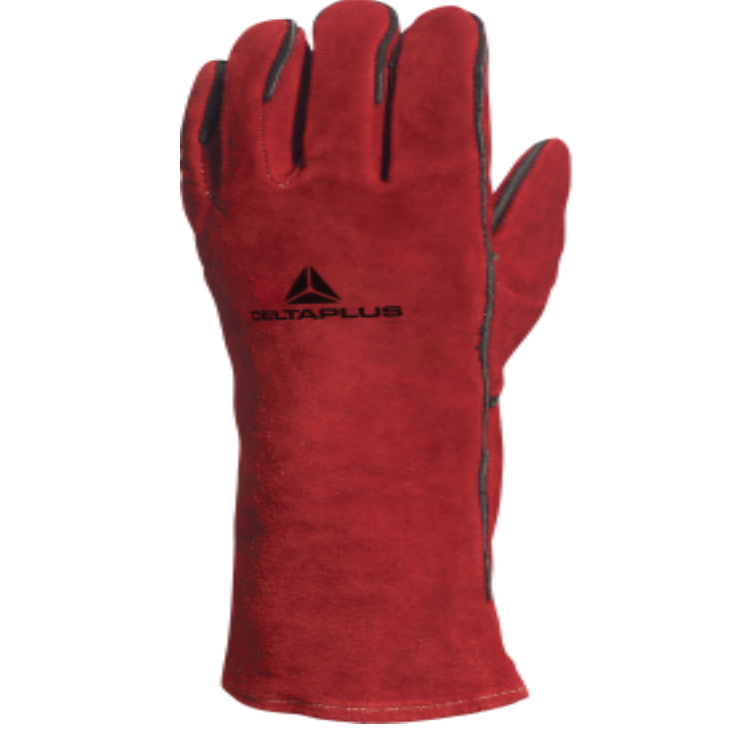
Workers are safeguarded against extreme heat or cold by the use of thermal gloves. Those workers who deal with casting, welders, and work in hot places use thermal protective gloves that do not conduct heat and sometimes sparks. Cold-resistant gloves ensure the comfort and safety of workers when they work in refrigerated or cold outside conditions.
Specialized materials come with insulation and still offer flexibility, whereby workers can work with the tools and materials effectively. Protection and dexterity can be a big problem in the activities that demand fine motor skills.
Chemical-Resistant Gloves
The chemical-resistant gloves meet the requirements against adverse chemicals, solvents, oils, and dangerous liquids. These gloves find application and work in petrochemical processing, laboratories, as well as cleaning of industries. Nitrile or neoprene material can be used to prevent the harmful chemicals from reaching the skin, giving reliable hand and skin protection.
It is important to choose the right glove to wear when dealing with certain chemicals because some materials are immune to particular chemicals. Delivering comfort and fit stimulates regular use, ensuring compliance with safety and burden reduction in the case of exposure.
Mechanical Protection Gloves
Mechanical gloves guard against abrasion, impact, vibration, and puncture. They come in different categories, such as the precision gloves that are used in finer work and heavy-duty gloves used in construction or in landscaping. Anti-vibration functions, padded and reinforced palm designs enhance comfort as well as safety, and a mechanical protective glove is thus necessitated in industries that deal with tools, machinery, or rough materials.
Antistatic and Specialized Gloves
Special gloves have antistatic gloves used in the electronic manufacturing industry and anti-vibration gloves used in power tool use. Other models offer greater traction in wet/damp conditions. Both types guarantee the protection of the workers against certain hazards without reducing the mobility of their hands.
Choosing the Right Hand Protection
Choosing the right hand protection requires proper risk evaluation of the action to be performed. Employers are advised to use gloves under conditions where they are planning to use like cutting, being in contact with chemicals, and extreme temperatures or vibration. The gloves must also be fitted and move easily to enable the workers to be in control and precise when doing their duties.
The evaluation of the glove performance has standards and certifications like EN 388 to mechanical hazards, EN 407 to thermal hazards, and EN 374 to chemical resistance. Protective gloves that will satisfy the necessary standards will provide the workers with the means of quality protection against certain risks.
Applications Across Industries
The application of protective gloves varies widely across industrial sectors:
• In construction, workers rely on cut‑resistant and heavy‑duty gloves to guard against building materials, tools, and rough surfaces.
• Manufacturing environments demand mechanical protection for repetitive machine handling and assembly tasks.
• Chemical‑resistant gloves are critical in petrochemical and laboratory settings to prevent exposure to hazardous liquids.
• Utilities and energy sectors benefit from thermal and mechanical gloves that withstand extreme conditions while maintaining worker dexterity.
• Food industry operations often utilize specialized gloves that provide hygiene and slip resistance, ensuring safety without contaminating products.
Across all these environments, the consistent theme is that protective gloves not only prevent injury but also support overall workplace safety cultures. Well‑selected protective gloves enhance worker confidence and help employers meet regulatory compliance and productivity goals.
Conclusion
Any industrial workplace cannot do work without hand protection. Knowing the kind of gloves to use and how they best fit into the special hazards, the firms can avoid injuries, keep up the output, and adhere to safety measures. Cut resistance, chemical protection, thermal protection, and mechanical protection are just some of the benefits of having the appropriate gloves that not only consider the protection of workers but also enable workers to carry out their duties effectively.
When prioritizing workplace safety, Delta Plus offers professional product advice, conformity assistance, and quality products that are intended to last long and are also comfortable and safe. A multidisciplinary company dealing with expertise in various sectors, Delta Plus assists companies in employee protection, increasing productivity, and staying in control of regulations, providing them with safe protective clothing that suits the requirements of contemporary workforces around the globe.
