


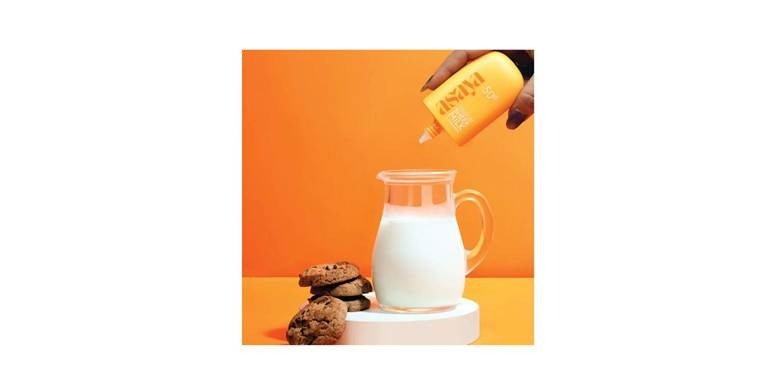
Daily sun exposure is no longer limited to beach days or long outdoor trips. Urban living, reflective surfaces, air pollution, and extended commute times all contribute to cumulative UV stress on the skin. As a result, sun protection has shifted from occasional use to a daily essential within modern skincare routines. Texture, finish, and wearability now matter as much as SPF numbers.
Consumers increasingly prefer lighter formats that sit comfortably under makeup, resist sweat, and avoid the heavy residue associated with older creams. This shift has led to rising interest in newer delivery formats such as matte finish sunscreen spray in India, especially among people dealing with humidity, oiliness, and frequent reapplication needs.
Why Texture Matters in Daily UV Protection
Sun protection is only effective when applied correctly and consistently, yet product texture often determines whether people actually reapply it. Heavy, greasy layers tend to discourage repeat use, especially in hot climates or during long workdays. Lightweight textures improve compliance because they feel less intrusive on the skin.
Modern sun care research emphasizes sensory experience alongside protection metrics. A breathable finish reduces pore-clogging concerns and improves comfort during movement. This is particularly relevant for people who combine skincare with makeup or active outdoor schedules. Texture-light formulas also layer better with serums and moisturizers without pilling.
Understanding Lightweight Sun Protection Formats
Lightweight sun protection is not just about a thinner consistency. It reflects formulation science that balances UV filters, film-formers, and skin-feel enhancers. The goal is to deliver uniform coverage while maintaining a near-invisible finish. Different formats achieve this through different mechanisms.
Mists and sprays distribute product through fine droplets that settle evenly when applied correctly. Gel-fluids use fast-evaporating carriers to reduce residue. Water-based emulsions rely on micro-dispersion of filters to reduce thickness. Each format aims to maintain SPF performance while improving user experience and reapplication behavior.
Spray-Based Delivery Systems and Coverage Behavior
Spray delivery systems are designed for speed and distribution. They allow broader surface coverage in less time compared to traditional creams. However, effectiveness depends on correct usage distance, spray duration, and post-application spreading when required.
Dermatology guidance often suggests spraying generously and then blending to ensure uniform film formation. Under-application is a known risk with mist formats if users rely on a quick pass instead of a full layer. When used correctly, sprays can support frequent top-ups during outdoor exposure.
Matte Surface Finishes and Sebum Control
Matte-finish products focus on reducing visible shine by including oil-absorbing powders or sebum-balancing agents. These ingredients help diffuse light reflection from the skin surface. The result is a more even, soft-focus appearance rather than a glossy layer.
This finish type is particularly useful for combination and oily skin profiles. It also helps in high-humidity environments where excess shine appears quickly. Matte textures can support makeup longevity by reducing slip and surface oil breakthrough.
Climate-Responsive Formulation Approaches
Climate plays a major role in how sun protection feels on the skin. Products designed for tropical and high-heat regions often emphasize sweat resistance and rapid absorption. They may include humectant balancing systems that hydrate without heaviness.
Formulators also consider pollution exposure and particulate adhesion. Some modern blends incorporate antioxidant support to help counter environmental stress. These additions do not replace SPF function but can complement daily protective routines.
What Defines a Matte Finish Sunscreen Spray in India
The term matte finish sunscreen spray India generally refers to spray-based UV protection products formulated for hot, humid, and high-UV environments, with an emphasis on non-greasy after-feel. These products aim to deliver protection without the sticky residue often associated with traditional lotions.
Such formulations typically combine fast-drying carriers with oil-balancing additives. Many are positioned for urban users who need midday reapplication over makeup or skincare. The matte claim relates to surface appearance and touch feel rather than SPF strength itself.
Ingredient Patterns Behind Dry-Touch Results
Dry-touch effects are often achieved through silica derivatives, starch microspheres, or polymer blends that absorb surface oil. Volatile carriers help the formula set quickly after application. Together, these elements reduce the sensation of heaviness.
Film-forming agents still play a role in maintaining even UV filter distribution. The challenge for formulators is balancing dry feel with proper film integrity. A product that feels too dry but forms an uneven layer may reduce protection reliability.
Suitability for Layered Skincare Routines
Light spray formats are frequently used as the final protective layer over moisturizers and serums. Their compatibility with layered routines is a major adoption driver. They are also used for reapplication without disturbing earlier skincare steps.
Users who follow botanical or ingredient-conscious routines often look for sprays that align with gentle formulation philosophies. Texture-light formats can integrate more easily into minimalist routines where heavy layering is avoided.
Use Cases for On-the-Go Reapplication
Portable formats support reapplication during commutes, outdoor work, and travel. Dermatology guidelines typically recommend reapplying sun protection every two hours during continuous exposure. Convenience strongly affects whether this happens in practice.
Sprays reduce friction in public or time-limited settings. They can be applied quickly without mirrors or extensive blending, although careful coverage remains important. This convenience factor has influenced their growth in daily-use categories.
Balancing Natural Skincare Philosophies with Sun Protection
Botanical and nature-inspired skincare brands increasingly address the need for daily sun defense alongside plant-based care routines. The emphasis is on combining gentle skin support with modern protective science. Consumers now expect both performance and ingredient mindfulness.
This has led to broader conversations around formulation transparency, sensory elegance, and skin barrier respect. Texture-light UV products are often evaluated not only for SPF value but also for how they align with holistic skincare approaches. The trend reflects a more educated and ingredient-aware user base.
Final Thoughts on Everyday Protection and Modern Formats
Daily UV defense has evolved from thick creams to more wearable, texture-driven solutions that support consistent use. Lightweight and matte-oriented formats are gaining traction because they reduce friction in daily routines while maintaining protective intent. Education on correct application remains just as important as product choice.
Within botanical-forward and sensory-focused skincare conversations, brands such as World of Ayasa contribute to the broader dialogue around mindful, texture-aware skin routines rooted in nature-inspired care philosophies. As lightweight formats continue to develop, interest in options like Sunscreen spray formats will likely grow alongside demand for comfortable, reapplicable protection suited to modern outdoor exposure patterns.
