


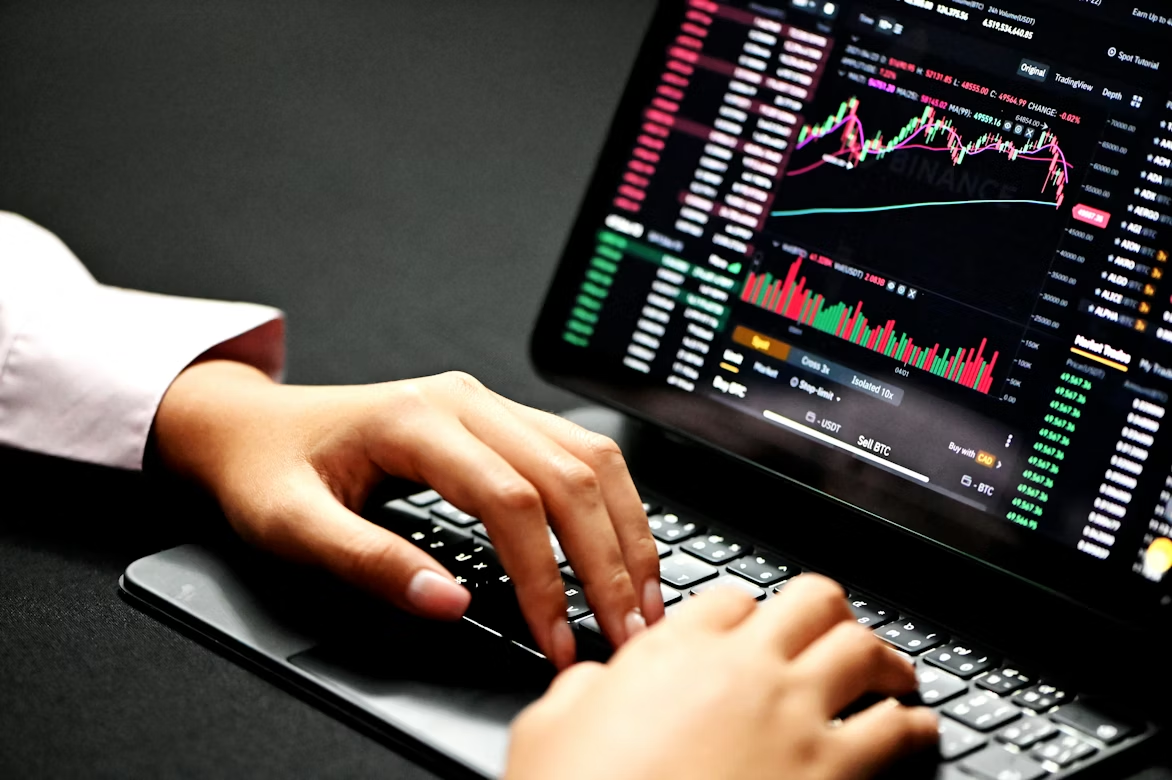
Emotional decision making is one of the most common challenges new traders face as they begin navigating the financial markets. Rapid price movement, unexpected volatility, and the pressure to perform can all trigger emotional responses that interfere with objective judgment. While many beginners focus on technical or fundamental analysis, the ability to control emotions often plays an equally important role in achieving consistent results. Understanding how to avoid emotional decisions helps new traders develop stronger habits that support long term growth.
Understanding the Psychological Triggers Behind Emotional Trading
New traders often underestimate how personal emotions influence their choices. Feelings of excitement, fear, anxiety, or impatience can quickly override rational thinking, especially during fast market conditions. A common example is the fear of missing out, which causes traders to enter positions impulsively because they worry about missing potential profit. Another trigger is the frustration created by recent losses, which can lead to revenge trading as individuals try to regain money quickly. These reactions disrupt discipline and increase risk.
Insights from the Psychology of Trading show that recognizing these emotional triggers is the first step toward reducing their influence. Traders who reflect on their behavior begin to identify patterns that lead to poor decisions. For example, some may notice that they take unnecessary trades late in the day when fatigued, while others may realize they struggle most after a losing streak. By becoming aware of these tendencies, traders can develop strategies to prevent emotional reactions from controlling their actions.
Strengthening Decision Making Through Structure and Preparation
A structured trading plan provides stability for new traders. Without a plan, decisions are made based on instinct or emotion rather than clear logic. A solid plan outlines entry and exit criteria, risk limits, and specific conditions that must be met before acting on a trade. When traders follow their plan consistently, they remove guesswork and reduce opportunities for emotional impulses to take control.
Preparation also plays a key role in reducing emotional decisions. Reviewing charts, monitoring economic data, and setting realistic expectations help traders begin each session with clarity and purpose. A well prepared trader enters the market knowing exactly what signals they are looking for and under what conditions they will participate. This reduces stress and allows individuals to remain focused even when markets move unpredictably. Over time, structure and preparation build discipline, which becomes a powerful tool for avoiding emotional mistakes.
Reducing the Influence of Market Noise and Short Term Fluctuations
New traders often react quickly to minor price changes, interpreting them as important signals when they are simply normal volatility. Fast movements can create a sense of urgency that leads to impulsive actions. Constant monitoring of every tick can heighten anxiety and cause traders to enter or exit positions prematurely.
Focusing on high quality setups rather than constantly scanning for activity helps reduce this pressure. When traders wait patiently for clear confirmations rather than reacting to every fluctuation, they develop a more balanced approach. Limiting screen time can also be beneficial. Taking breaks throughout a trading session prevents fatigue and allows traders to reset emotionally. By reducing exposure to market noise, new traders can maintain clearer judgment and avoid decisions driven by momentary emotion.
Building Emotional Awareness Through Reflection and Patience
Emotional awareness develops through consistent reflection. At the end of each session, traders benefit from reviewing their decisions, evaluating whether they followed their plan, and identifying moments when emotions may have influenced their actions. This practice helps individuals understand why certain mistakes were made and how they can prevent them in the future. Over time, reflection builds self awareness, which leads to more controlled behavior during live market conditions.
Patience is another essential component of emotional control. Many new traders feel pressure to trade frequently, believing that more activity will lead to better results. In reality, patience supports clearer decision making and helps individuals wait for favorable conditions rather than forcing trades. The ability to remain calm and composed even when waiting for opportunities separates disciplined traders from emotional ones. With experience, patience becomes a natural part of the trading process and contributes to steady improvement.
Conclusion
New traders can avoid emotional decisions by understanding their psychological triggers, following a structured plan, limiting exposure to short term noise, and practicing reflection and patience. Developing emotional awareness takes time, but it becomes one of the most valuable skills a trader can possess. When emotions no longer dictate behavior, decisions become more consistent, strategies become easier to execute, and long term performance improves. With commitment and self reflection, traders can establish a steady mindset that supports lasting success.
