


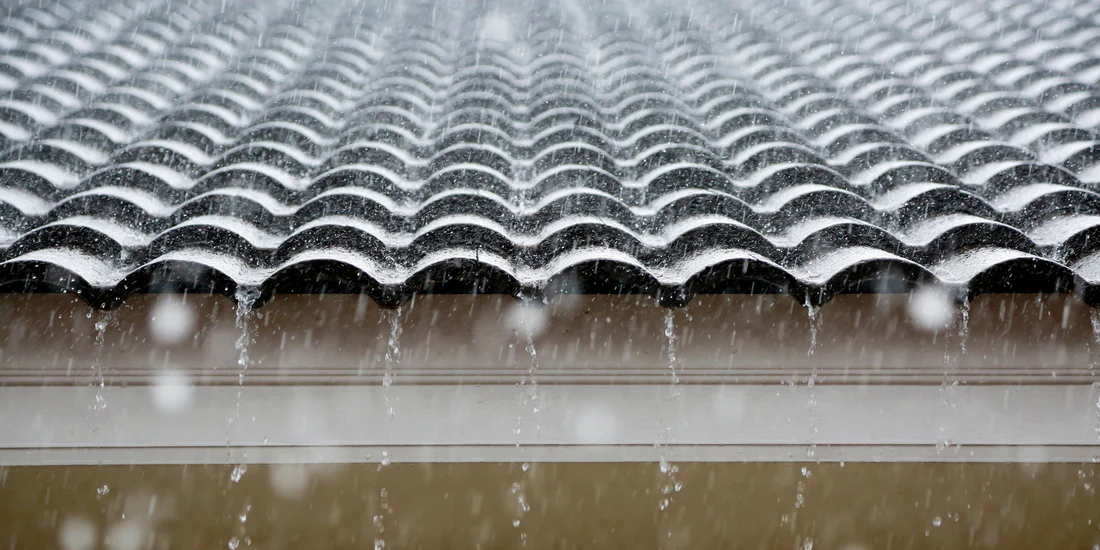
Seasonal rainfall is not only about inches. It is about timing, intensity, and how many days a building stays damp. A home that handles a short summer cloudburst can still struggle during weeks of winter drizzle or a spring stretch when soil remains saturated—waterproofing works when it matches these cycles, because drainage, soils, and concrete behave differently as conditions shift. By reading local rainfall calendars, you can decide whether to focus on fast runoff control, long-term moisture resistance, groundwater pressure relief, or wind-driven rain protection. That planning keeps minor seepage from becoming recurring odors and persistent humidity.
Strategies For Every Rain Pattern
- Burst Storms And Runoff
When rain arrives in short, intense storms, waterproofing starts with moving water away before it can soak in. Roof drainage is the first choke point, so gutters need capacity, outlets, and downspouts that discharge beyond the backfill zone. Ground around the foundation should shed water quickly, with settled areas filled so puddles do not form beside the wall. Hard surfaces like driveways and patios may need a pitch or a drain to prevent water from running toward the slab edge. Midway through planning, home waterproofing solutions in Huntsville from Valley Crawlspace can be evaluated alongside grading and downspout upgrades to reduce repeated wetting at the perimeter. Because burst storms can splash high, pay attention to the first few feet of siding, flashing at deck ledgers, and sealant continuity at penetrations. Inside, a sump system is useful only if exterior routing and perimeter drainage already limit the amount of water reaching the footing.
- Persistent Rains And Slow Drying
In climates with long rainy seasons, the challenge lies in their duration. Soil stays near saturation, which keeps moisture pressed against foundation walls and increases the odds of seepage through pores and hairline cracks. This pattern favors continuous exterior waterproofing layers that are protected during backfill and paired with an open drainage plane. A footing drain should have filter fabric and clean stone to prevent fines from clogging it, and outlets should have a clear path so water can actually leave the site. Periodic checks confirm outlets are still flowing. If an outlet is not practical, a sump basin with a reliable pump and check valve can relieve water buildup before it rises to the slab. Because the wall may stay damp for weeks, interior humidity control matters too. Closed crawl spaces benefit from sealed ground vapor barriers, sealed vents, and controlled air exchange so that wet air does not linger and condense on cooler framing.
- Freeze Thaw And Spring Saturation
Where winter freezing is followed by spring melt, waterproofing must handle both movement and pressure. Water that enters a small crack can freeze, expand, and widen the opening, creating a larger pathway for meltwater. Flexible joint sealants at penetrations, careful detailing at cold joints, and well-supported window wells help resist seasonal prying. Spring also raises groundwater in many areas, increasing hydrostatic pressure that can push water through slab edges and cove joints. That is why perimeter drains, sump capacity, and backup power planning are part of the strategy, not optional add-ons. Discharge lines should be routed so they do not freeze back. On the surface, snow piled near foundations should be kept away from downspout outlets and low spots, because meltwater can concentrate exactly where seepage is most likely. Finally, insulation choices should avoid trapping moisture against concrete during the long thaw when drying is slow.
Key Seasonal Waterproofing Takeaways
Seasonal rainfall patterns determine whether water arrives as a surge, a prolonged saturation period, a freeze-thaw stress test, or a windy, wet season that probes every joint. Effective waterproofing starts by predicting when the structure will stay wet the longest and where water will collect, then building layers that interrupt that path. Runoff control handles intensity, while membranes, drains, and pumps manage duration and groundwater rise. Movement seasons call for flexible details, and windy storms demand careful flashing and sealed transitions. When strategies align with the rain calendar, repairs last longer and interior spaces stay drier, with fewer surprises.
