


Airflow restrictions are one of the most common reasons a heating and cooling system feels weak, noisy, or inconsistent. When air cannot move freely through filters, coils, blowers, ducts, and registers, the system may run longer, struggle to maintain temperature, and place extra stress on motors and compressors. Homeowners often notice hot and cold rooms, rising energy bills, short cycling, or a musty smell from damp coils. Diagnosing restrictions requires more than guessing or replacing parts, because the blockage can be anywhere from a clogged filter to a crushed duct hidden above a ceiling. HVAC contractors use a step-by-step process to locate where airflow drops and why the system pressure is rising, then match the findings to practical repairs that restore steady comfort.
How Restrictions Are Found
- Symptom Review And Quick Visual Checks
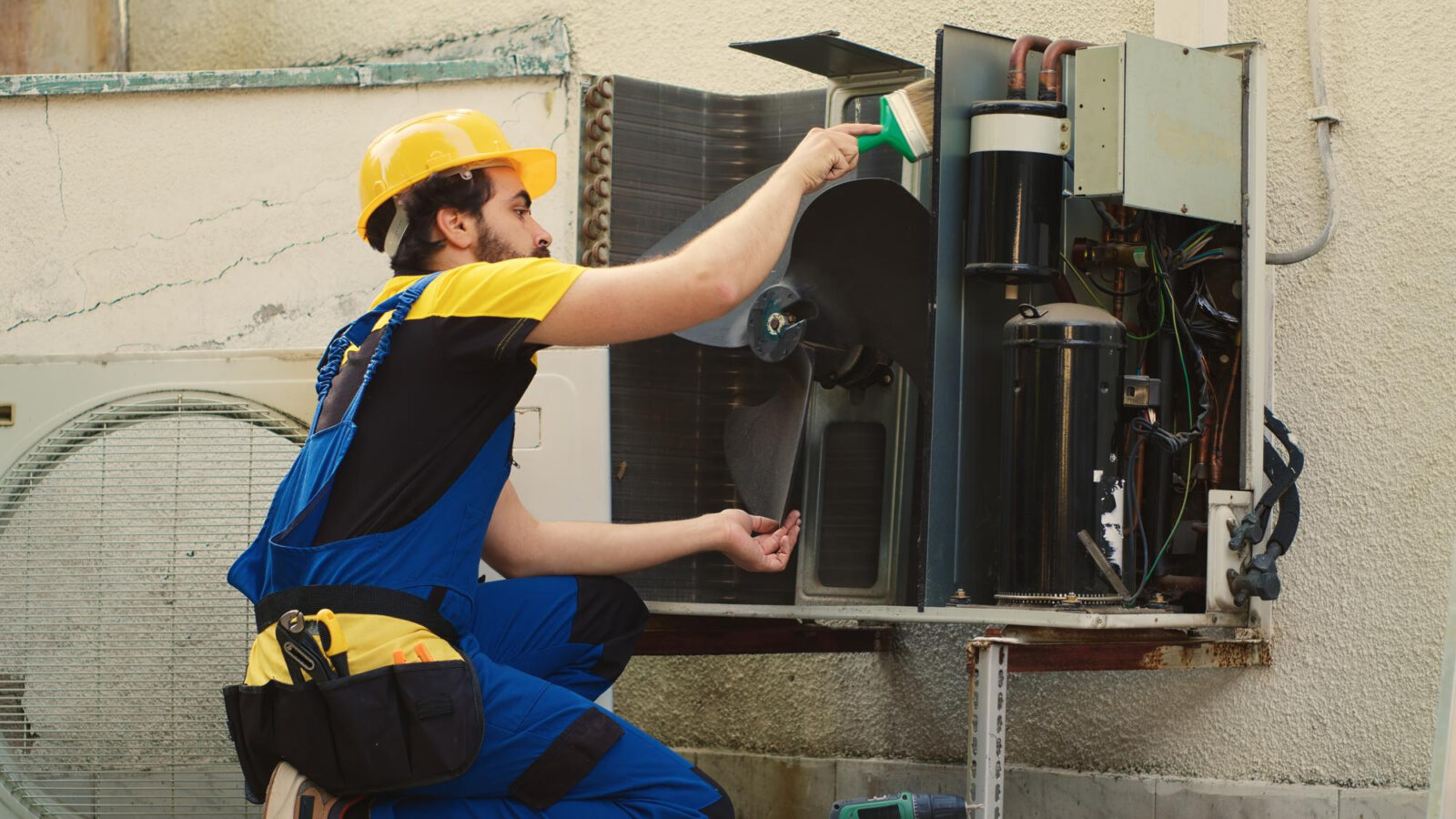
Contractors usually begin by asking how the problem shows up in real use. They note whether it is worse on hot days, whether certain rooms are always affected, and whether the issue started after a remodel, a filter change, or the installation of new equipment. Those details help determine whether the restriction is on the return side, the supply side, or inside the air handler. Visual checks come next because simple issues can cause major airflow loss. A filter that is too restrictive or installed backward can choke the system, and a return grille blocked by furniture can immediately reduce airflow. Contractors also check that registers are open and not covered, and they look at the blower compartment for dirt buildup that suggests long-term filtration problems. If the system has an evaporator coil access panel, they inspect the coil face for dust mats, which can act like a blanket, reducing airflow and raising humidity. These early checks prevent wasted time, but they rarely end the investigation because many restrictions are not visible from the room.
- Measuring Static Pressure To Locate The Bottleneck
A key diagnostic step is measuring external static pressure. Static pressure is the resistance the blower must overcome to move air through the system, and restrictions show up as higher readings. Contractors drill small test ports in the ductwork near the air handler and take readings on the return and supply sides. By comparing those values to equipment guidelines, they can tell whether the blower is being forced to work too hard. This is often the moment where the investigation becomes specific. If return static is high, the restriction is likely on the return side, such as a clogged filter, undersized return duct, or blocked return path. If the supply static is high, the issue may be a dirty coil, closed dampers, an undersized supply trunk, or crushed flex duct. During service visits, Vancouver HVAC Contractors at Sarkinen Heating and Cooling may use static pressure readings to pinpoint whether the restriction is upstream or downstream of the blower, preventing random duct adjustments and focusing repairs on the true choke point. This measurement also helps determine whether the blower speed is set correctly for the system design.
- Airflow And Temperature Measurements At Key Points
After static pressure is measured, contractors measure airflow and temperature to confirm how the restriction affects performance. They may use an anemometer or a flow hood to measure air volume at supply registers, comparing rooms and noting which runs are unusually low. Uneven readings often indicate duct routing problems, crushed sections, or balancing dampers that were never adjusted properly. Temperature checks include measuring supply air and return air temperatures to confirm how the system exchanges heat. In cooling mode, a low airflow system can show an unusually large temperature drop because the air moves too slowly across the coil, which can eventually lead to coil freezing and a sharp fall in airflow. In heating mode, low airflow can cause a rapid temperature rise, triggering limit switches and short cycling. Contractors also listen for duct noise and look for signs of air leakage at joints, since leaks can mimic restrictions by stealing airflow before it reaches rooms. These measurements translate comfort complaints into hard numbers that can be compared before and after repairs.
Data Leads To Clear Answers
HVAC contractors diagnose airflow restrictions by combining symptom patterns with measurements that reveal where resistance is building. Visual checks catch obvious issues, but static pressure testing is often the best way to pinpoint whether the restriction is on the return side, the supply side, or inside the air handler. Airflow and temperature readings then confirm how the restriction is affecting comfort and equipment performance. By inspecting common choke points such as filters, coils, blower wheels, duct runs, and return pathways, contractors can identify the true cause and verify the repair through retesting. When restrictions are diagnosed this way, systems run more quietly, deliver more consistent comfort, and avoid the strain that leads to frequent service calls.
