


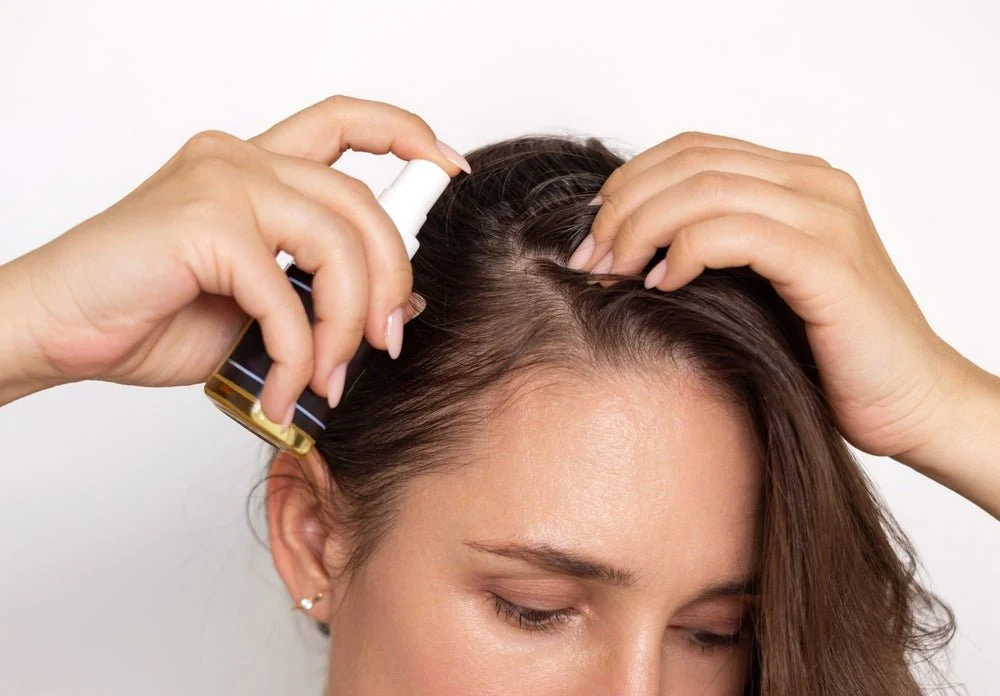
Healthy, strong, and well-maintained hair starts with proper scalp care and a consistent haircare routine. Many people experience hair-related concerns, including dryness, breakage, thinning, dandruff, and slow hair growth. These problems can result from genetics, hormonal changes, nutritional deficiencies, environmental exposure, stress, or unsuitable haircare products. Choosing the right hair growth and care treatments can help improve hair condition while supporting a healthier scalp.
The haircare market offers numerous products, including shampoos, conditioners, scalp serums, hair oils, masks, and specialized growth treatments. However, not every product works for every hair type. Understanding individual hair needs, product ingredients, and scalp conditions is essential when building an effective routine.
Understanding the Connection Between Hair Growth and Scalp Health
The scalp provides the environment in which hair follicles develop and produce hair. Healthy follicles depend on proper skin function, adequate blood supply, and suitable nutritional support.
When the scalp becomes irritated, excessively oily, dry, or affected by conditions such as dandruff, hair quality may suffer. Although scalp care cannot prevent every type of hair loss, maintaining a clean and comfortable scalp supports overall hair health.
Regular cleansing, appropriate conditioning, and avoiding harsh treatments can help maintain a balanced scalp environment. People experiencing persistent itching, inflammation, or unusual hair shedding should consider professional evaluation.
Different Types of Hair Growth and Care Treatments
Hair growth and care treatments serve different purposes. Some products focus on improving the appearance and strength of existing hair, while others address specific causes of hair thinning.
Hair Growth Shampoos
Hair growth shampoos are designed to cleanse the scalp while supporting healthier-looking hair. Many formulas contain ingredients such as caffeine, niacinamide, botanical extracts, and moisturizing agents.
These products can remove excess oil, dirt, and styling residue. Some also help improve scalp comfort and reduce dryness.
However, shampoos have limited contact time with the scalp. They should not be expected to reverse genetic hair loss or independently produce significant new hair growth.
Hair Conditioners
Conditioners help improve softness, manageability, and moisture retention. They coat the hair surface, making strands easier to detangle and reducing friction during brushing.
People with dry, damaged, or chemically treated hair may benefit from richer conditioning formulas. Lightweight conditioners are often more suitable for fine or easily weighed-down hair.
Scalp Serums
Scalp serums are concentrated products designed to address particular scalp or hair concerns. Their ingredients may include peptides, niacinamide, caffeine, and moisturizing compounds.
Some formulas focus on scalp hydration, while others are marketed to improve the appearance of thinning hair.
It is important to distinguish cosmetic scalp serums from clinically established hair-loss treatments. Product claims should be evaluated according to available scientific evidence.
Hair Oils and Nourishing Treatments
Hair oils can help reduce dryness, improve shine, and protect hair strands from friction. Popular options include argan oil, coconut oil, jojoba oil, and almond oil.
These products mainly support hair conditioning rather than directly stimulating new growth. Applying a suitable amount can improve softness without making the hair excessively greasy.
Important Ingredients to Look for in Haircare Products
Understanding product ingredients makes it easier to choose treatments that match individual hair needs.
Biotin
Biotin is a B vitamin involved in normal metabolic processes, including those related to hair health. It is commonly included in hair supplements and beauty products.
However, biotin supplementation is unlikely to improve hair growth in people who do not have a deficiency. Excessive supplementation is unnecessary and may interfere with certain laboratory tests.
Caffeine
Caffeine appears in several shampoos and scalp treatments. Laboratory research has explored its possible effects on hair follicles.
However, evidence from laboratory studies does not automatically establish that topical caffeine products produce meaningful hair growth in everyday use.
Niacinamide
Niacinamide, a form of vitamin B3, is widely used in skincare and scalp formulations. It helps support the skin barrier and maintain moisture.
It may be useful in scalp products designed for dryness or discomfort, although it is not an established treatment for genetic hair loss.
Keratin and Proteins
Keratin-based ingredients and hydrolyzed proteins are commonly used in conditioners and hair masks.
They help improve the feel and appearance of damaged hair by supporting surface conditioning. These ingredients can make strands feel smoother and more manageable.
Minoxidil
Minoxidil is an established topical treatment for certain types of hair loss, particularly androgenetic alopecia.
It is available in different formulations and strengths, depending on the country and product. Consistent use is generally required, and results can take several months to become noticeable.
Possible side effects include scalp irritation and unwanted facial hair growth. People should follow product instructions and seek medical advice when appropriate.
How to Choose Products According to Your Hair Type
Selecting products based on hair type can improve comfort and reduce unnecessary damage.
- Dry hair: Look for moisturizing shampoos, nourishing conditioners, and lightweight oils.
- Oily hair: Choose suitable cleansing shampoos that remove excess sebum without causing excessive dryness.
- Fine hair: Lightweight conditioners and non-greasy scalp products can help avoid weighing down strands.
- Curly hair: Moisturizing conditioners, leave-in treatments, and gentle cleansing products can improve manageability.
- Damaged hair: Protein-based treatments and conditioning masks may improve the appearance of weakened strands.
- Sensitive scalp: Fragrance-free and gentle formulations may reduce exposure to common irritants.
Hair texture, scalp condition, and styling habits should all influence product selection.
Building an Effective Haircare Routine
A consistent routine is often more useful than purchasing numerous products. The goal is to maintain scalp cleanliness, protect hair strands, and address specific concerns.
Step 1: Cleanse the Scalp Regularly
Choose a shampoo suitable for your scalp condition. Washing frequency depends on oil production, physical activity, hair texture, and product buildup.
Massage shampoo gently into the scalp rather than aggressively rubbing the hair lengths.
Step 2: Condition After Washing
Apply conditioner mainly to the middle lengths and ends. This helps reduce tangling and improves softness.
People with very dry hair may also benefit from occasional deep-conditioning treatments.
Step 3: Apply Suitable Scalp Treatments
If using a scalp serum or medically recommended hair-loss product, follow its application instructions carefully.
Avoid combining several strong treatments without professional guidance.
Step 4: Protect Hair From Heat and Damage
Frequent heat styling can weaken hair strands and contribute to breakage. Use heat protection products and choose moderate styling temperatures.
Avoid excessively tight hairstyles that place repeated tension on hair follicles.
Step 5: Maintain Regular Trimming
Trimming does not make hair grow faster from the roots. However, removing damaged ends can reduce splitting and help hair maintain a healthier appearance.
The Importance of Nutrition for Healthy Hair Growth
Hair growth depends partly on adequate nutrition. Hair follicles require energy, protein, vitamins, and minerals to support normal growth processes.
Protein is particularly important because hair fibers are primarily made of keratin, a structural protein.
Iron, zinc, vitamin D, and other nutrients also contribute to normal body functions associated with hair health. Deficiencies may contribute to hair shedding in some individuals.
A balanced diet containing eggs, fish, beans, nuts, vegetables, fruits, and whole grains can help provide essential nutrients.
Supplements should not replace a healthy diet or professional evaluation. Taking excessive amounts of certain vitamins and minerals can sometimes worsen hair loss or cause other health problems.
Common Haircare Mistakes That Can Affect Hair Health
Even high-quality products may provide limited benefits when daily haircare habits cause repeated damage.
Some common mistakes include:
- Washing hair with excessively hot water.
- Using harsh shampoos that cause dryness.
- Applying too much heat during styling.
- Brushing wet hair aggressively.
- Wearing tight hairstyles regularly.
- Ignoring persistent scalp irritation.
- Using multiple chemical treatments too frequently.
- Expecting immediate results from hair growth products.
Making small changes to these habits can help protect hair strands and improve overall manageability.
When Should You Consider Professional Hair Growth Treatments?
Occasional hair shedding is normal, but sudden or persistent hair loss may indicate an underlying condition.
Genetic hair loss, hormonal changes, thyroid disorders, nutritional deficiencies, and certain medications can influence hair growth.
A dermatologist can examine the scalp, review medical history, and recommend appropriate tests when necessary.
Depending on the diagnosis, treatment options may include minoxidil, prescription medications, or other dermatologist-supervised procedures.
Professional advice is particularly important when hair loss occurs suddenly, develops in patches, or is accompanied by scalp pain, redness, or inflammation.
Frequently Asked Questions
1. Which Products Are Best for Hair Growth?
The best products depend on the cause of hair concerns. Minoxidil is an established option for certain types of hair loss, while shampoos and conditioners mainly support scalp and hair health.
2. Do Hair Growth Shampoos Really Work?
Most hair growth shampoos focus on cleansing and conditioning. They may improve hair appearance but generally cannot reverse genetic hair loss.
3. How Often Should I Wash My Hair?
Washing frequency depends on scalp oil production, hair texture, lifestyle, and personal preference. Some people need frequent washing, while others can wash less often.
4. Can Hair Oils Make Hair Grow Faster?
Hair oils can reduce dryness and improve hair conditioning. However, there is limited evidence that ordinary cosmetic oils directly accelerate hair growth.
5. How Long Do Hair Growth Treatments Take to Work?
Results vary according to the treatment and underlying cause. Clinically established treatments may require three to six months or longer before noticeable improvements develop.
6. Can Scalp Care Prevent Hair Loss?
Good scalp hygiene helps maintain scalp comfort and hair condition. However, it cannot prevent every form of hair loss, particularly genetic or medical conditions.
Conclusion
Choosing the right hair growth and care treatments requires understanding individual hair needs, scalp health, and product ingredients. Shampoos, conditioners, scalp serums, and nourishing oils can improve hair appearance and manageability, while clinically established treatments may help address specific forms of hair loss.
A balanced routine should include gentle cleansing, regular conditioning, protection from heat damage, and proper nutrition. It is equally important to avoid unrealistic product claims and seek professional guidance when hair loss becomes persistent or unusual.
With informed product selection and consistent care, individuals can support healthier-looking hair and maintain a comfortable, well-nourished scalp.
