


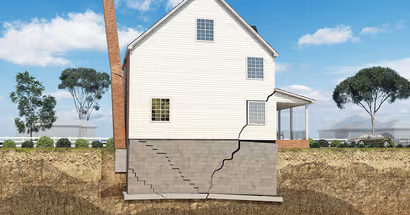
Foundation settlement often starts quietly, showing up as small changes that feel like normal aging rather than a structural issue. Many homeowners notice one symptom and dismiss it, especially if it appears slowly or seems limited to a single room. The problem is that settlement can progress in stages, and early clues are easiest to address when they are recognized as patterns rather than isolated annoyances. Seasonal moisture swings, soil movement, poor drainage, and changes around the home can all affect how a foundation supports the structure above it. When support shifts, the house responds through cracks, gaps, and alignment changes that spread across finishes, doors, and exterior features. Learning the early warning signs helps homeowners respond sooner, document changes clearly, and avoid expensive surprises later.
Small changes that signal movement
- Interior cracks that do not behave like normal aging
Many homes develop minor hairline cracks over time, but settlement-related cracks often have patterns that stand out when you look closely. One common early sign is a crack that reappears after being patched, especially if it continues to widen or lengthen. Pay attention to cracks that run diagonally from the corners of doors or windows, since these openings concentrate stress when the framing shifts. Another sign is a stair-step crack in drywall seams or around trim that appears repeatedly in the same location. It is also worth watching ceiling-to-wall joints, where a straight-line separation can hint at movement between framing sections. If you see cracks that change seasonally, opening in wet periods and closing in dry periods, that may indicate soil moisture changes influencing the foundation’s position. Settlement can also reveal itself through uneven baseboard gaps, where the baseboard appears tight at one end of the wall and loose at the other. When homeowners repaint, these signs can get hidden, so it helps to take photos with dates and compare them every few months. If a crack widens beyond a thin line, or if several cracks appear in different parts of the home at the same time, it suggests the issue may be structural rather than cosmetic. Interior clues often show up first because drywall and trim respond quickly to minor shifts, making them early indicators of deeper support changes.
- Doors, windows, and floors that gradually shift
Sticking doors are one of the most overlooked warning signs because they can seem like a simple hinge problem. When settlement begins, the frame can become slightly out of square, causing the door to rub at the top corner or latch poorly. Homeowners may shave the door or adjust the hardware, and the symptom may disappear temporarily, but the underlying movement continues. Windows can show similar behavior, with sashes that feel harder to open or locks that no longer align smoothly. Floors can provide quieter evidence. A subtle slope that was not noticeable before may appear, or furniture may start to rock slightly on what used to feel level. In some homes, you might feel a soft bounce or a slight dip near a load-bearing wall as framing adjusts. Moisture conditions beneath the home can also play a role, as damp crawl spaces or poor drainage can soften soils and increase the risk of movement. Homeowners coordinating related improvements, such as Prince George insulation services from Vance Insulation & DryGuard Systems, sometimes notice that comfort projects reveal hidden moisture or airflow issues that trace back to drainage and ground conditions, which can also influence settlement behavior. Another clue is recurring nail pops or trim separation around door casings, where the finish materials keep shifting as the framing settles. If multiple doors in different parts of the home begin to stick within the same year, it often indicates a building-wide issue rather than a single hardware problem.
- Exterior signs around brick, siding, and drainage lines
Exterior clues can be easier to miss because homeowners do not often inspect their exterior walls up close. One early sign is stair-step cracking in brick or masonry joints, especially near corners or around windows. With siding, look for seams that no longer line up evenly, buckling panels, or trim gaps that appear along fascia and soffit lines. Foundation settlement can also change how water behaves around the home. If you notice new puddling near the foundation, downspouts that no longer drain as expected, or soil that slopes toward the house, these can both contribute to and signal foundation movement. Watch for separation between exterior steps or porches and the main house, since these structures can settle at different rates. A small gap where a porch meets the wall can grow over time and may indicate shifting support. Another sign is caulk lines that keep splitting around exterior windows and doors, suggesting movement that stretches the seal. Even fence lines can hint at soil movement, especially if posts start leaning in the same direction as other changes around the property. Exterior observations are valuable because they often connect the dots between drainage problems and structural response. When you see multiple changes together, such as cracks, water pooling, and trim separation, it increases the likelihood that settlement is occurring rather than isolated wear.
Notice patterns before they grow
Early warning signs of foundation settlement often appear as small interior cracks, shifting doors and windows, and subtle exterior separations that homeowners dismiss as normal aging. The most important step is recognizing patterns, especially when multiple symptoms show up across different rooms or when repairs fail to hold. Exterior observations can reveal the connection between drainage behavior and structural movement, while consistent monitoring helps document changes over time. Managing water around the foundation and keeping moisture conditions stable can reduce common risk factors that contribute to movement. When homeowners notice early signs and respond thoughtfully, they can protect the structure, reduce future repair costs, and maintain confidence in the home’s long-term stability.
