


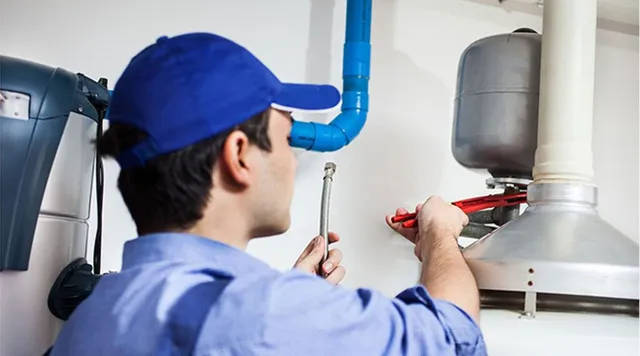
A new installation should feel steady, predictable, and easy to live with, yet early trouble often shows up in small patterns long before a full breakdown. Many homeowners miss these hints because the system still turns on, still delivers some heating, cooling, water flow, or power, and the problems seem random. The truth is, a struggling installation usually leaves clues in sound, airflow, temperature swings, moisture behavior, cycling habits, and even how your utility bills change week to week. Catching these signals early can prevent damage, reduce downtime, and limit the cost of parts that wear out faster when the setup is not operating in balance.
What to watch next
- Startup behavior that feels wrong
One of the earliest signs of a failing installation is how the system behaves at startup and shutdown. A healthy setup starts smoothly, ramps the way it should, and stops without harsh surprises. If you notice a loud thump, a rattle, a buzzing vibration, or a repeated clicking sound each time it starts, it may indicate loose mounting, misaligned panels, stressed wiring, or a component already straining under load. Pay attention to short cycling, where the system runs briefly, stops, and restarts within minutes. Frequent cycling can indicate airflow restriction, incorrect sizing, poor thermostat placement, low refrigerant, or control issues that were present from day one. Cape Fear Air, Electric, & Plumbing may also remind homeowners that unexplained breaker trips, flickering lights during equipment startup, or warm electrical odors are warning signs that should be addressed immediately rather than tolerated as normal settling in.
- Performance drift you can feel daily.
A failing installation often shows up as uneven performance that slowly becomes your new normal. In an HVAC setup, you might notice one room staying muggy while another turns chilly, or you may see the system taking longer to reach the set temperature even on mild days. In plumbing, early drift can show up as inconsistent hot water delivery, longer waits at fixtures, or pressure that pulses when multiple taps are open. With electrical work, drift may show up as outlets that feel loose, switches that run warm, or appliances that behave oddly when a large load kicks on. The key is to compare how the home thought during the first week after install versus now. If comfort, pressure, or stability is sliding backward, something is not seated correctly, calibrated well, or supported by the right supply and return pathways. A small mismatch, such as a duct leak, an undersupported pipe, or an untorqued connection, can trigger a chain reaction of stress that builds quietly until a failure forces attention.
- Moisture, residue, and smell clues
Moisture is one of the most reliable indicators that an install is heading the wrong direction, because water and condensation follow physics, not opinions. Look for staining near registers, damp insulation at attic penetrations, or a musty smell that appears only when the system runs. Around plumbing upgrades, check beneath sink cabinets, near water heater connections, around shutoff valves, and at any new joints for mineral crust, greenish corrosion, or tiny beads that reappear after you wipe them away. A cooling equipment drain line that backs up, a float switch that trips, or a condensate pan that stays wet too long can signal slope problems, clogs, or airflow issues that keep the coil too cold. Odors matter as well. A sharp electrical smell, a chemical odor near mechanical equipment, or a sewer-like odor near drains can indicate heat stress, trapped condensate, or venting mistakes. These issues rarely heal on their own, and the longer they linger, the more likely they are to damage surrounding materials and push parts beyond their intended temperature range.
Closing Notes for Homeowners
Early signs of failure are usually subtle: a change in sound, a growing delay, a damp spot, a new odor, or a performance swing that repeats. Treat those signals as information, not background noise. The goal is to correct small issues before they cause water damage, motor strain, electrical overheating, or comfort problems that spread through the home. Pay attention to startup smoothness, cycling habits, moisture behavior, and day-to-day consistency, then write down what you observe so the pattern is clear. If something feels off, address it sooner, because systems that become unbalanced tend to wear out faster and cost more over time. Catching early clues protects the installation and helps ensure reliable service.
