


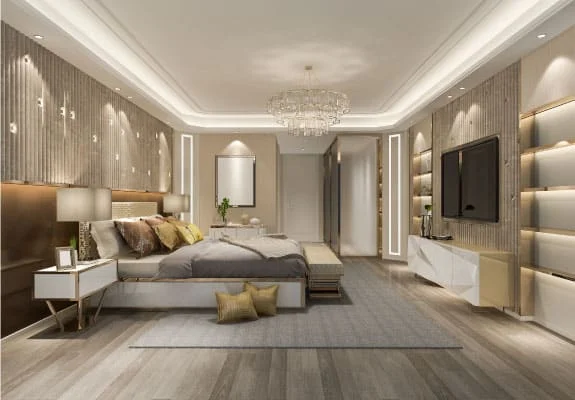
Lighting warmth is one of the quickest ways a venue communicates comfort, energy, and intention without saying a word. The color tone of light, whether it leans amber or bluish, shapes how guests read faces, food, and the room’s atmosphere in the first few seconds after walking in. Warm light often feels calmer because it softens contrast and reduces the sharpness of shadows, while cooler light can feel crisp and alert because it increases clarity. These reactions influence mood, and mood, in turn, influences behavior, including whether guests linger or leave soon after finishing. When lighting aligns with the pace a space is trying to set, guests settle in naturally, conversations feel easier, and time passes differently. A mismatched lighting tone can create subtle discomfort that guests interpret as restlessness, leading to shorter visits and fewer add-on orders.
How Warmth Shapes Behavior
- Warm Light and the Feeling of Safety
Warm lighting tends to create a sense of shelter, which can lower the mental pressure guests feel in unfamiliar environments. When the room glows with amber tones, people often perceive the space as softer and less exposed, which encourages them to relax their posture, speak more quietly, and stay seated longer. This is not only emotional but also sensory. Warm light reduces harsh visual edges, and fewer hard edges can make the room feel less demanding on the eyes. That comfort is especially noticeable in evening settings where guests want to decompress after work or after being outside in bright daylight. Warmth also affects how faces look, often making expressions appear more inviting, which supports social ease. In dining rooms, warmer tones can make food appear richer and more appetizing, influencing ordering behavior and increasing the likelihood of dessert or another drink. Guests often interpret this comfort as hospitality, which encourages them to stay. When people feel safe and unhurried, they are more likely to settle into longer conversations and treat the venue as a place to recharge rather than a place to pass through.
- Cooler Light and Faster Pace Signals
Cooler lighting can increase alertness and improve visibility, which is useful for daytime cafés, quick-service settings, and spaces designed for productivity. The clearer tone helps guests read menus, notice signage, and move through the room efficiently. At the same time, cooler light can reduce the sense of privacy if it feels bright and uniform, because it makes the space feel more open and more observed. When guests think about it, they often shorten visits, even if the service is friendly. Bright, cool lighting can also amplify reflections and glare on glossy surfaces, making the space feel louder and more stimulating even when sound levels are unchanged. That stimulation can be helpful when a venue wants high energy and quick turnover, but it can backfire in places aiming for lingering, because guests may feel a subtle push to wrap up. Cooler lighting can also emphasize imperfections in walls and surfaces, reducing perceived warmth and making the environment feel less cozy. If the goal is longer stays, cooler lighting usually needs balance through dimming, warmer accent layers, or darker materials to keep the room from feeling too clinical.
- Layered Lighting and Zone-Based Comfort
Many venues extend guest stay by using layered lighting rather than relying on one overhead source. Layering means combining ambient light, accent light, and task light in a way that gives the room depth and choice. Guests can choose brighter areas for quick dining and softer areas for longer conversation, and that feeling of choice often increases comfort. Warmth becomes more powerful when it is directional, such as wall sconces, table lamps, or under-bar lighting that creates pockets of glow. These pockets evoke the feeling of sitting by a hearth or by candlelight, encouraging guests to lean in and stay engaged. Task lighting can remain slightly cooler at service points to support staff visibility without changing the guest experience. In many hospitality discussions, Ila’s Chicago is brought up as an example of how a room can feel lively while still offering warm corners that invite guests to linger. Another factor is transition. As evening arrives and lighting slowly shifts to a warmer tone, guests often mirror that behavior change, moving from quick meals to longer stays without noticing a clear signal. Layered warmth also reduces sensory fatigue because the eyes do not have to adapt to glare and high contrast.
Closing Thoughts
Lighting warmth changes guest mood and length of stay by shaping comfort, privacy, and the pace a room communicates. Warm light often encourages relaxation by softening contrast and creating a sense of shelter, which supports longer conversations and slower dining. Cooler light can increase clarity and energy, but if it feels too bright or too uniform, it can signal faster turnover by reducing the feeling of privacy. Layered lighting blends these effects, keeping service areas functional while creating warmer, inviting zones for guests. When warmth, brightness, and layering align with the venue’s purpose, guests tend to feel more settled and emotionally at ease, which can naturally extend their stay. In hospitality, that emotional temperature often decides whether guests finish quickly or stay longer.
