


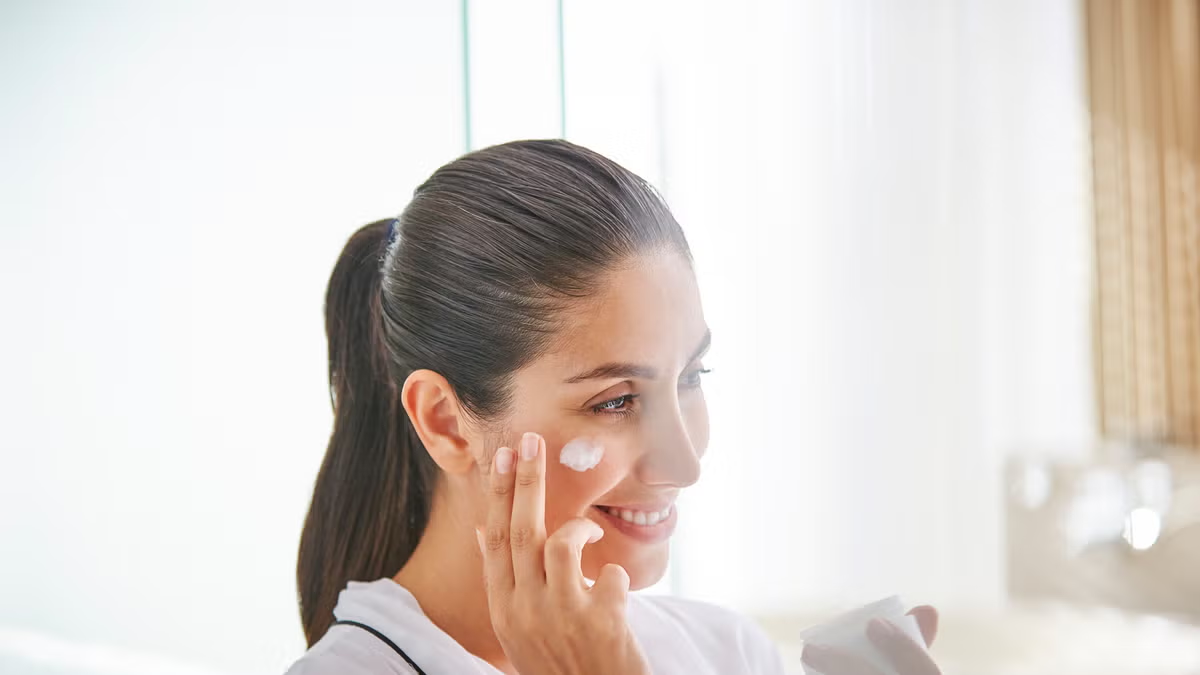
Retinoids are a cornerstone of acne treatment, but not all formulations perform the same way on different skin types. For individuals with excess oil production and frequent breakouts, gel-based retinoids are often preferred over cream formulations. Their lightweight texture and faster absorption make them especially suitable for oily and acne-prone skin.
This article explains why gel-based retinoids are commonly recommended and how they support clearer pores over time.
How Oily Skin Contributes to Breakouts
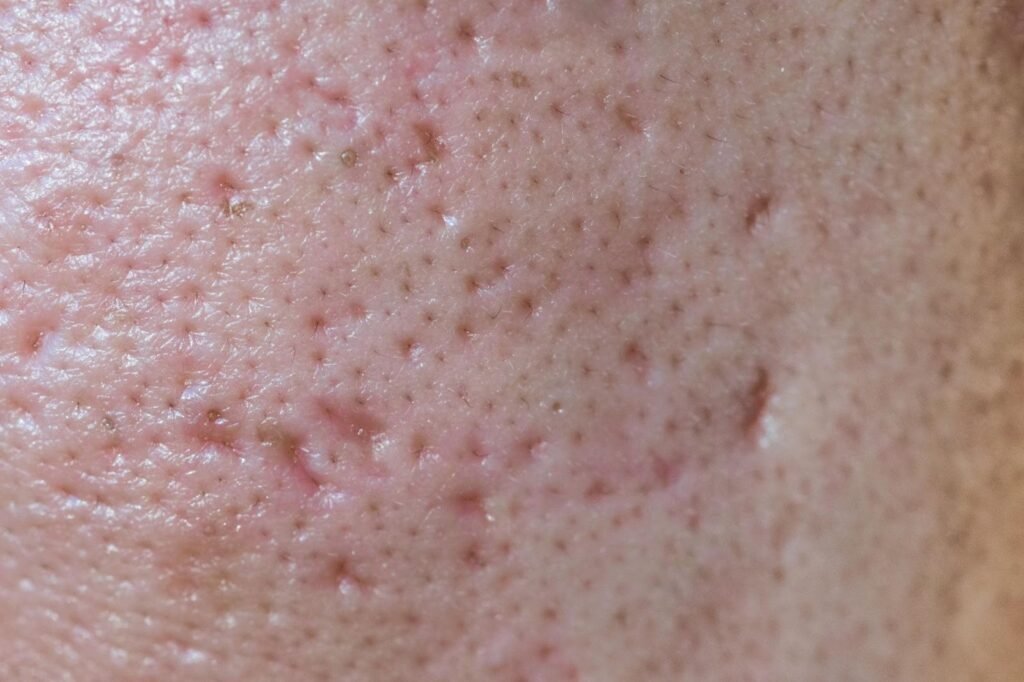
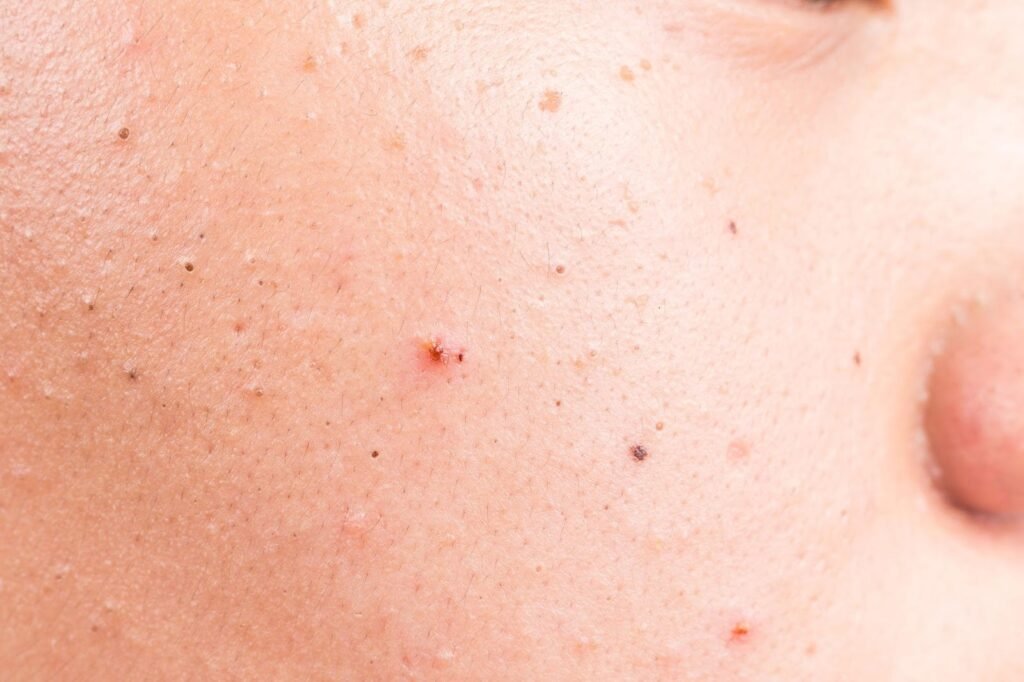
Oily skin produces more sebum, which can mix with dead skin cells and clog pores. When pores remain blocked, bacteria and inflammation can trigger acne lesions.
Typical features of oily, acne-prone skin include:
- Enlarged pores
- Shiny appearance
- Frequent blackheads and whiteheads
- Inflammatory breakouts
Because oil already adds weight to the skin’s surface, heavier formulations may feel uncomfortable or occlusive.
What Makes Gel-Based Retinoids Different?
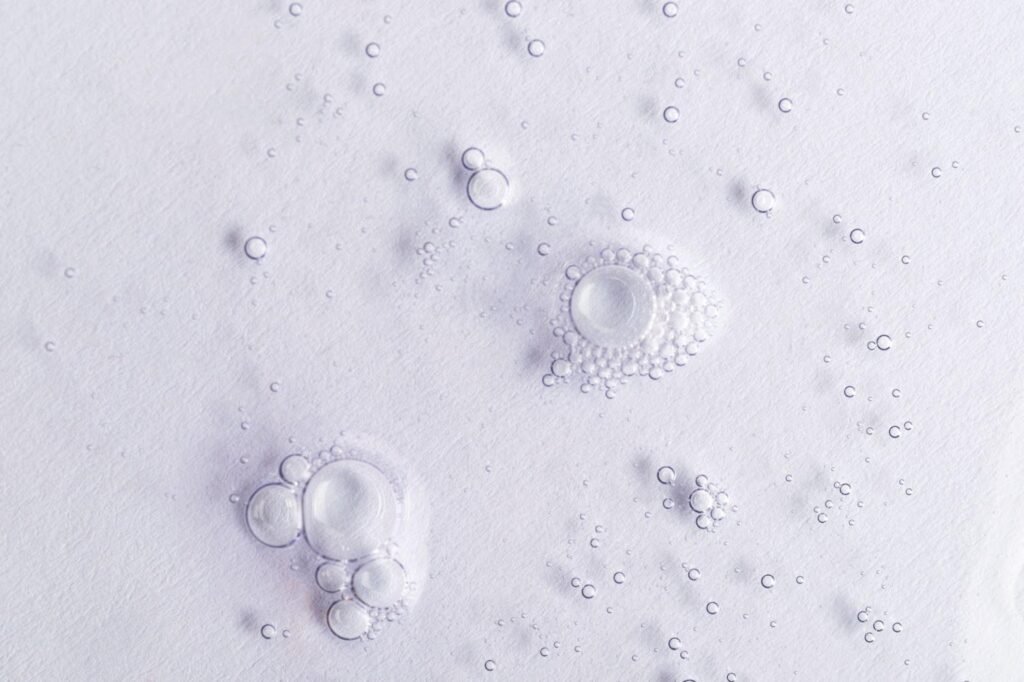
Gel formulations are typically water- or alcohol-based, allowing them to absorb quickly and leave minimal residue. This can be beneficial for individuals who prefer a lighter texture.
Advantages of gel-based retinoids include:
- Fast absorption
- Lightweight consistency
- Reduced heavy or greasy feel
- Better suitability for oily skin
According to the Mayo Clinic, tretinoin works by promoting skin cell turnover and preventing clogged pores, making it a widely used acne treatment.

How Tretinoin Gel Supports Clearer Skin
Tretinoin gel helps address several acne-related processes:
- Accelerates skin cell turnover
- Prevents new comedones
- Reduces inflammatory lesions
- Gradually improves skin texture
Because gel formulas penetrate quickly, they may feel slightly stronger during the first weeks. Gradual introduction can improve comfort.
How to Use Gel Retinoids Safely
To minimize irritation:
- Apply once nightly
- Use a pea-sized amount for the entire face
- Apply to completely dry skin
- Use moisturizer as needed
- Wear sunscreen daily
Temporary dryness or mild peeling may occur during the adjustment phase.
Choosing a Tretinoin Gel Option
Formulation quality influences both tolerance and effectiveness. A commonly selected option is:
👉 tretinoin gel for acne-prone skin
https://okdermo.com/product/retin-a-gel-tretinoin-gel-usp-20g/
This type of gel is frequently recommended for oily and combination skin types.
When Cream Formulations May Be Better
While gels are ideal for oily skin, cream-based retinoids may be more suitable for:
- Very dry skin
- Sensitive or irritation-prone skin
- Individuals needing additional hydration
Matching the formulation to skin type supports better long-term adherence.
Conclusion
Gel-based retinoids offer a lightweight and effective solution for oily and acne-prone skin. By combining rapid absorption with proven retinoid benefits, they help keep pores clear without adding unnecessary heaviness.
With consistent use and proper sun protection, tretinoin gel can become a reliable foundation for clearer, smoother skin.
