


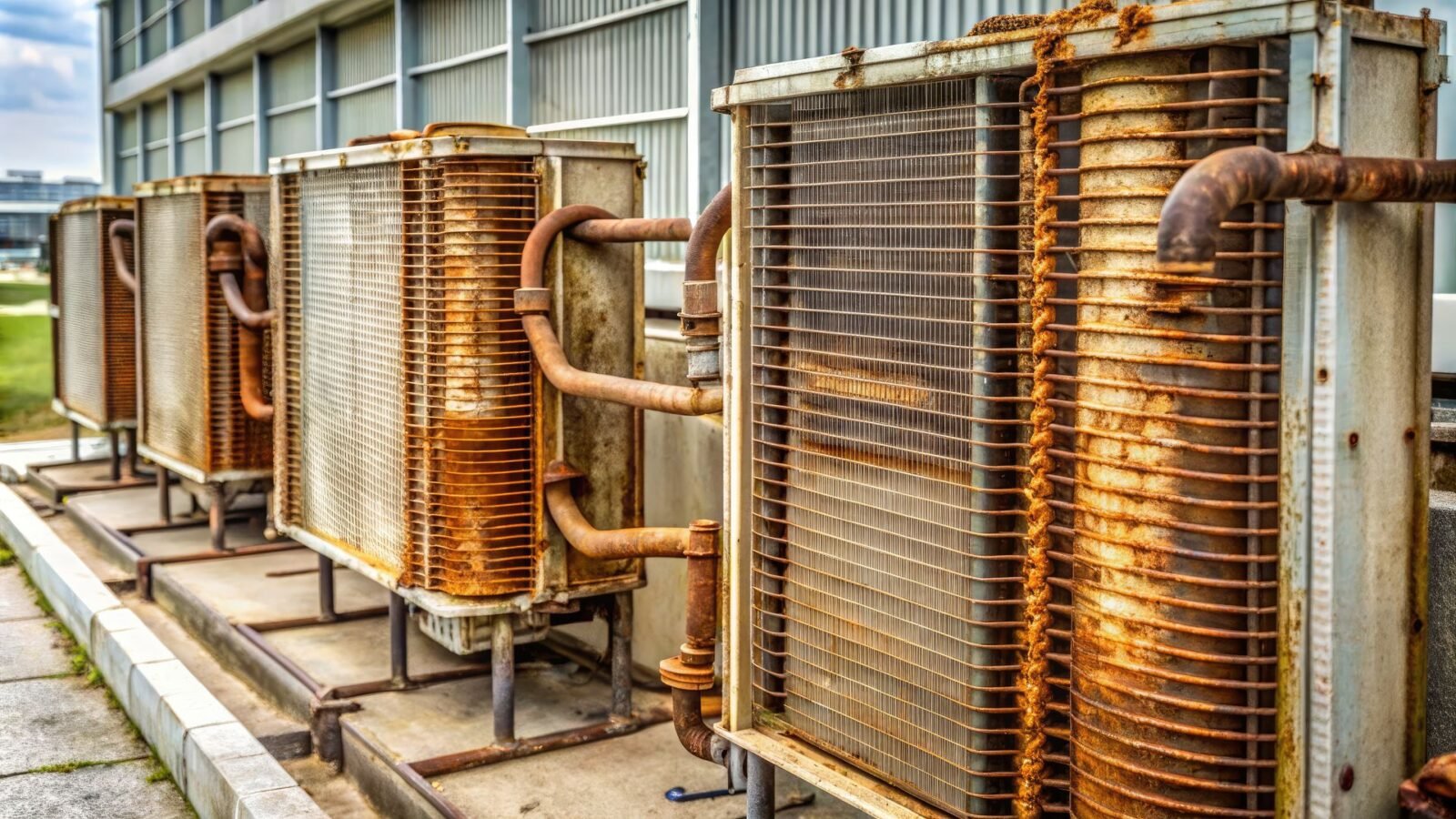
A system can be running and cooling while still quietly underperforming. That is exactly why coil inspections matter more than many building teams assume.
Property managers often focus on thermostats, filters, and complaint calls first, while the evaporator coil stays out of sight until energy use climbs or comfort starts slipping. By then, the hidden buildup has usually been reducing airflow and heat transfer for weeks or months.
Small Coil Contamination Causes System Drift
- Hidden Coil Conditions Change System Behavior
Evaporator coils do not need to look completely blocked to cause problems. A thin layer of dust, film, or biological residue can interfere with heat transfer enough to alter the system’s overall behavior. The unit may run longer to reach the setpoint, create uneven cooling across zones, or cycle in a way that seems random to occupants. From a facility perspective, that is not just a maintenance issue. It affects energy costs, comfort consistency, and how quickly other components wear down under added strain.
Contractors inspect coils because the coil is one of the few places where small contamination can create outsized operational effects. What looks like a minor housekeeping issue can become a recurring comfort complaint, a humidity issue, or a service call pattern that wastes time and budget.
- Why Buildup Stays Hidden So Long
Hidden buildup forms in areas building owners rarely see during routine inspections. The evaporator coil sits inside the air handler or furnace cabinet, often behind panels, near condensate components, and downstream of return air movement that carries fine particles. Even with regular filter changes, dust can still enter the system through filter bypass, poorly fitted racks, cabinet leakage, or maintenance gaps during replacement.
Moisture also changes the picture. When coils condense humidity during cooling, particles can adhere to damp surfaces, forming a stubborn layer instead of passing through. Over time, that layer traps more debris. In older buildings, mixed-use properties, or facilities with intermittent occupancy patterns, the coil may collect buildup faster than anyone expects because operating conditions shift more than the maintenance schedule accounts for.
- What Contractors Look For First
A solid coil inspection is not just a glance with a flashlight. Contractors are checking for signs that explain performance issues before they turn into breakdowns. They look at surface condition, airflow restrictions, moisture patterns, drain performance, and whether the coil face is loading unevenly. Uneven loading matters because it can point to duct leakage, poor filtration, or return-side pressure problems rather than a simple cleaning need.
In many commercial and multi-tenant settings, contractors also compare what they see at the coil with what occupants are reporting. A property team managing sites in Denver may notice seasonal comfort swings that seem weather-related, but coil inspection often reveals a buildup pattern that has been pushing runtimes higher long before the outside temperature became the obvious suspect.
- Reduced Heat Transfer Means Longer Runtime
The coil’s job is straightforward: absorb heat from indoor air. When hidden buildup coats coil surfaces, the system loses efficiency at that exact point of exchange. Air still moves, refrigerant still circulates, and the equipment still appears active, but cooling output drops relative to energy consumed. That gap is where operating costs begin to rise without a clear single failure event.
For property and facility managers, this is one of the most expensive maintenance blind spots because it creates gradual losses. There is no dramatic shutdown to force immediate action. Instead, monthly utility bills drift upward, rooms take longer to cool after occupancy begins, and tenants begin describing comfort issues inconsistently. Contractors inspect coils to catch that pattern early, before the system spends an entire season working harder than it should.
- Airflow Restrictions Affect More Than Cooling
Hidden coil buildup not only reduces heat transfer but also increases the risk of overheating. It can also restrict airflow across the coil, altering static pressure relationships and affecting overall system delivery. When airflow drops, supply temperatures may look colder at first in some cases, but total comfort can still decline because the system is not moving enough conditioned air through the space. That leads to hot spots, longer runtimes, and more wear on blower components.
This is one reason experienced contractors do not rely on temperature readings alone when evaluating complaints. A building owner may hear that the unit is cooling because air feels cold at a diffuser, yet occupants remain uncomfortable. Coil inspection helps explain that contradiction. If the coil is loaded with hidden debris, the system may be cooling inefficiently while starving the space of adequate airflow, especially during peak demand hours.
- Moisture, Drainage, and Indoor Air Concerns
Evaporator coils operate in a wet environment during cooling mode, which means hidden buildup can become a moisture management issue as well as a performance issue. Residue on the coil can hold moisture longer, create conditions for microbial growth, and contribute to odors that occupants notice before staff can trace the source. If contamination extends to the drain pan or affects condensate flow, water problems can follow.
For facility managers, that raises the stakes. A coil inspection may prevent more than an efficiency loss. It can reduce the risk of drain overflows, nuisance odors, and recurring IAQ complaints, which can damage tenant confidence. Contractors inspect the coil area because it connects comfort, moisture control, and cleanliness in one place. Ignoring it often means dealing later with several symptoms that appear unrelated but share the same root cause.
A Practical Check With Big Payoff
Inspecting evaporator coils for hidden buildup is not a cosmetic step. It is a practical performance check that helps contractors catch efficiency losses, airflow restrictions, moisture issues, and early warning signs before they escalate into larger operational problems. For property managers and building owners, it translates into steadier comfort, fewer complaint-driven calls, and more predictable maintenance planning.
Systems do not need to fail to cost more. They only need to run inefficiently for long enough. Coil inspections help close that blind spot by focusing on a component that quietly influences energy use, comfort delivery, and equipment strain every day the system operates.
