


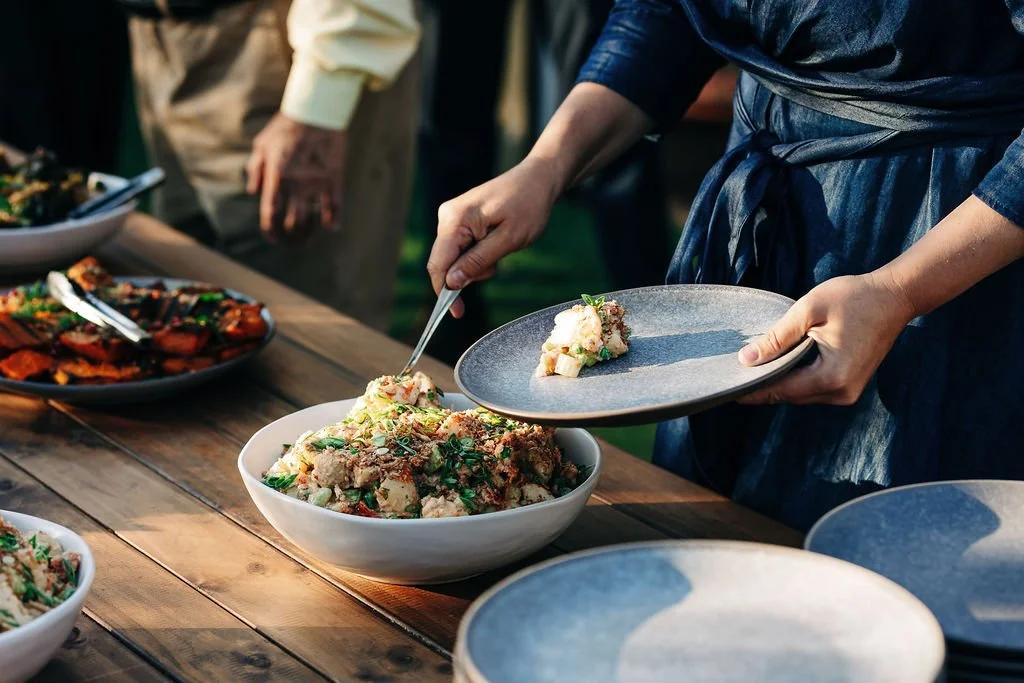
Many diners assume fine dining menus begin with creativity and end with procurement. In reality, the sequence runs the other way: sourcing decisions often define what can be cooked, plated, and repeated at a high level.
That is why seasonal ingredient sourcing plays a central role in serious restaurant menu design. For owners, operators, and hospitality decision-makers, seasonality is not just a branding cue or a marketing phrase. It affects purchasing reliability, labor planning, menu turnover, guest expectations, and margin control. In fine dining, where consistency and perception carry equal weight, sourcing with the season is less about trend and more about operational discipline.
Why Product Availability Sets The Menu
- Seasonality Starts With Supply Reality
Fine dining kitchens do not build strong menus by chasing ingredients at their peak of visual appeal on social media. They build them by understanding what can be sourced consistently, in the right quality, and in volumes that support service. Seasonal sourcing helps narrow the field to products that are naturally stronger at a given time, which improves both flavor and reliability.
That matters because premium dining service leaves little room for variation. A dish designed around produce that is technically available year-round may still perform unevenly if texture, sugar content, or water content shifts week to week. Seasonal planning reduces that volatility. It gives chefs and purchasing teams a more stable base, which is exactly what a tasting or prix fixe format requires to run smoothly across multiple seatings.
- Menus Follow Product Windows, Not Trends
Narrow product windows often shape strong fine dining menus. A menu may change not because the kitchen wants novelty, but because an ingredient has reached the point where holding it longer lowers quality. This is where disciplined operators separate menu design from menu decoration.
Restaurants that perform well in this category build their schedules around the actual market rhythm. A kitchen inspired by places like The Chef’s Table at Brooklyn Fare for Michelin Dining is not simply trying to appear seasonal; it is responding to the reality that ingredient timing changes, which techniques make sense, which pairings read clearly, and which portions feel balanced. Product windows determine menu timing, and menu timing determines guest experience.
- Flavor Precision Improves With Seasonal Sourcing
Seasonal ingredients usually offer more predictable flavor, which is a major advantage in fine dining. The issue is not just whether an ingredient tastes good. It is whether it behaves consistently enough to support precise seasoning, sauce work, and plating around it. Fine dining menus depend on repeatability, and repeatability starts with product behavior.
When ingredients arrive in season, kitchens spend less time compensating for weak sweetness, excess moisture, or poor texture. That gives the team more control. A vegetable can be served with less manipulation, a broth can carry a cleaner flavor, and a garnish can function as a true component rather than a visual filler. The result is a menu that tastes more deliberate because the ingredients need less correction before they reach the plate.
- Purchasing Strategy Shapes Creative Direction
Seasonal sourcing is often framed as a chef-led decision, but in practice, it is also a purchasing strategy. Buyers and chefs work together to determine which products are dependable enough to anchor a menu and which should remain flexible. That collaboration influences the entire creative process, especially in restaurants with multi-course formats and tight service standards.
This is where disciplined menu development becomes commercially useful. Instead of designing dishes in isolation and forcing procurement to catch up, strong teams build menus around sourcing confidence. They identify core products, evaluate supplier depth, and plan substitutes before the menu goes live. That approach protects service quality and reduces last-minute menu changes, which can disrupt prep, service,e language, and guest expectations in a fine-dining setting.
- Seasonal Menus Improve Kitchen Efficiency
Seasonal sourcing can also improve labor efficiency when it is handled well. Ingredients in season often require less rescue work in prep because quality is stronger and more uniform. Kitchens spend less time trimming around defects, adjusting underdeveloped flavor, or compensating with added components to create impact. In a high-output service environment, that labor difference matters.
Efficiency here does not mean cutting corners. It means reducing friction. A kitchen that can trust its products can prep with tighter standards and cleaner execution. That supports better station flow, more reliable pickup timing, and fewer inconsistencies across covers. Over the course of a season, these small gains add up. Fine dining service depends on precision under pressure, and product quality at the prep table directly affects what happens at the pass.
- Guest Trust Builds Through Seasonal Clarity
Guests may not know the details of supplier schedules or market timing, but they recognize clarity when they see it. A menu that reflects the season coherently feels more intentional than one that offers everything at once. In fine dining, that coherence builds trust because it signals restraint, judgment, and confidence in the kitchen’s point of view.
This has practical implications for operators. Seasonal clarity helps servers explain dishes more naturally and helps guests understand why a menu is priced and structured the way it is. It also strengthens return visits. When diners know a restaurant changes with the season for real operational reasons rather than cosmetic ones, they have a reason to come back. The menu becomes a living program, not a static set of signature dishes.
Why Seasonality Matters Beyond The Plate
The role of seasonal ingredient sourcing in fine dining menus extends far beyond taste. It shapes purchasing strategy, labor efficiency, service consistency, guest trust, and cost control simultaneously. Restaurants that treat seasonality as an operating principle rather than a marketing phrase usually produce menus that feel more coherent and perform more reliably.
For hospitality operators and decision-makers, the takeaway is direct: sourcing with the season improves both execution and business stability when it is planned with discipline. Fine dining menus succeed when creativity is supported by product timing, supplier communication, and operational judgment. The plate may be the visible result, but the advantage begins much earlier, in how the restaurant chooses what the season can genuinely support.
