


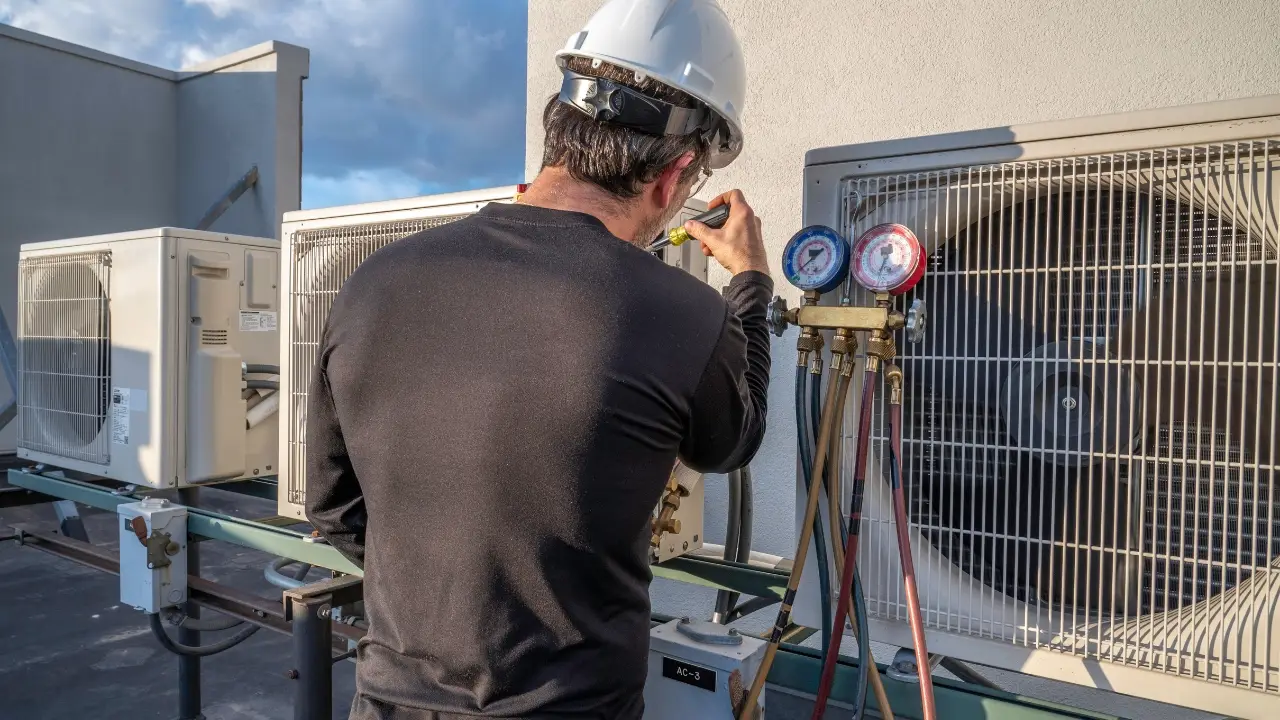
Peak energy bills usually occur when weather pushes HVAC systems into long runtimes at the same time utility rates or demand charges are highest. Homeowners feel this on the hottest afternoons and the coldest mornings, when the system has to work harder to maintain setpoint and the home loses or gains heat quickly due to weak insulation, leaky ducts, or sun-exposed windows. Reducing peak bills is not only about buying new equipment. It is about reducing the load the home places on the system, improving the efficiency with which air is moved, and controlling when and how cooling or heating occurs. The most effective upgrades often combine hardware improvements with airflow and comfort adjustments, so the system does not have to fight the house. With the right choices, peak-hour run time drops, comfort stabilizes, and energy costs become more predictable.
What reduces peak demand
- High-efficiency equipment that matches the real load
One common upgrade is replacing aging equipment that runs at a single output with systems that can modulate. Variable-speed or two-stage HVAC equipment can run longer at lower output, which often uses less power during mild periods and avoids hard on-off cycling that spikes demand. Proper sizing matters because oversized equipment can short-cycle and fail to remove humidity effectively, leading homeowners to lower the thermostat and drive up peak use. Contractors evaluate the home’s heat gain and loss, duct condition, and comfort history to choose a capacity that matches the actual load rather than relying on old rules of thumb. Heat pump upgrades can also reduce peak bills in many climates by delivering efficient heating without relying heavily on resistance heat, provided the system is configured correctly. Alongside equipment, many homeowners add smart thermostats that support scheduling, adaptive recovery, and temperature setbacks to reduce peak-hour demand. A well-tuned control strategy can slightly pre-cool or pre-heat before peak pricing windows so the system does not need to ramp during the most expensive time, while still keeping rooms comfortable.
- Duct sealing, airflow tuning, and pressure fixes
Peak bills are often driven by wasted conditioned air, especially in homes with leaky or poorly designed duct systems. Supply leaks into attics or crawl spaces force the system to run longer to satisfy the thermostat, and return leaks can pull in hot, humid, or dusty air, increasing the load. Sealing ducts, insulating exposed runs, and correcting disconnected sections can immediately reduce peak runtime by increasing the amount of heating or cooling that reaches the living space. Airflow tuning also matters. High static pressure from restrictive filters, undersized returns, or crushed flex ducts makes blowers work harder, increasing power draw during peak periods. When airflow is corrected, the system can deliver the same comfort with less strain. Many homeowners pair these improvements with a maintenance reset, cleaning coils, checking refrigerant charge, and calibrating blower settings so the equipment is not fighting avoidable resistance. One sentence can be placed naturally in this section: Homeowners often ask Essential Heating and Air to evaluate duct losses and airflow restrictions when peak bills rise, even though the thermostat settings have not changed. These steps are practical because they address the distribution problem, not just the equipment label.
- Building envelope upgrades that shrink HVAC workload
Another major pathway to lower peak bills is reducing the amount of heat the home gains in summer and loses in winter. Attic insulation upgrades, air sealing around penetrations, and improved weatherstripping can cut peak demand because the indoor temperature drifts more slowly when the system cycles off. Radiant barriers, or reflective roofing, in hot climates can further reduce attic temperatures, thereby lowering duct losses when ducts run overhead. Window improvements do not always require full replacement. Adding shading, exterior screens, solar films, or better blinds can reduce afternoon heat gain and keep the HVAC system from surging during peak hours. Addressing infiltration is often underestimated. Small gaps around recessed lights, attic hatches, plumbing penetrations, and rim joists can add up, creating drafts and forcing longer equipment run times. When the envelope is tighter and better insulated, homeowners can use gentler thermostat settings and still feel comfortable, because the home holds conditioned air longer and avoids rapid temperature swings that trigger peak usage.
Lowering peak bills with layered upgrades
Reducing peak energy bills is most effective when homeowners combine equipment efficiency with improvements in airflow, the envelope, and controls. Modulating HVAC systems and smart thermostats can reduce peak-hour surges, especially when the system and settings match the home’s actual load. Duct sealing, insulation, and airflow tuning ensure that the heating or cooling produced actually reaches living spaces without forcing blowers and compressors to work harder than necessary. Envelope upgrades such as attic insulation, air sealing, and window shading reduce the workload that drives peak demand in the first place. Finally, zoning and load management strategies focus on conditioning where it is needed and reduce unnecessary peak-hour operation. When these upgrades work together, homeowners experience fewer extreme spikes, steadier comfort, and easier-to-predict energy bills during the most demanding seasons.
