


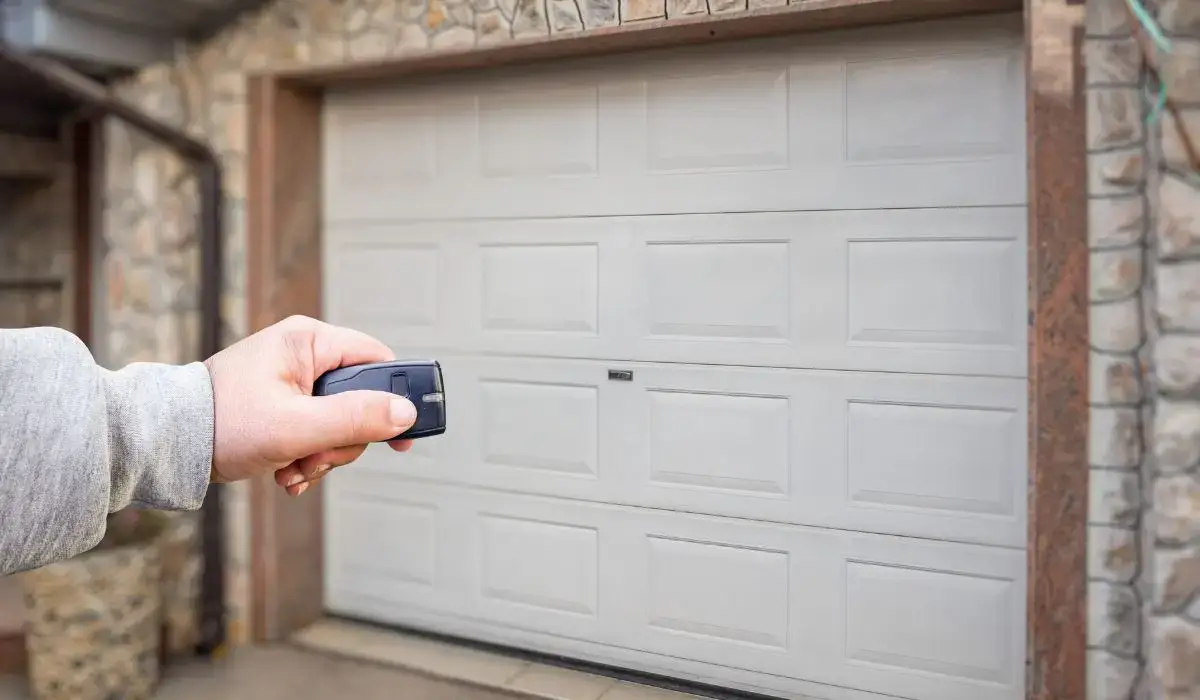
Intermittent opening failures can be the most frustrating garage door problem because the door behaves normally just long enough to make the issue feel random. One day it opens on the first press; the next, it starts to move, stops, reverses, or does nothing at all. Repair technicians approach this type of complaint like a pattern search. They listen to the homeowner describe when it happens, such as during cold mornings, after rain, or only when using one remote. Then they observe the door in motion and recreate the failure by cycling the system multiple times. Intermittent issues often come from small changes in friction, shifting alignment, loose wiring, or a sensor signal that drops in and out. Because modern openers monitor force, travel limits, and safety inputs, a minor fault can trigger a stop as a protective response. A careful diagnosis identifies the cause and prevents repeat breakdowns.
How Technicians Track the Real Cause
- Recreating the Failure and Checking Safety Inputs First
Technicians start by reproducing the exact symptom because intermittent faults can hide during a quick test. They run the door through several open-close cycles, monitoring speed, listening for motor strain, and noting whether the failure occurs at the same spot on the track. They also test wall controls, remotes, and keypad entry to see if the problem is tied to one control method or affects the whole system. Safety devices come next, especially photo eyes near the floor. Even a slight bump to a sensor bracket can misalign the beam, and sunlight at certain angles can disrupt older sensors. A technician will clean the lenses, confirm that the indicator lights are steady, and gently wiggle the sensor wires to see if the signal flickers. They also check for staple punctures or pinch points where low-voltage wiring passes through framing. A useful clue is whether the opener’s lights blink in a particular pattern, since many units use blink codes to hint at sensor- or force-related faults. This early focus narrows the search fast and avoids unnecessary part swaps.
- Inspecting Power Quality, Connections, and Logic Board Signals
If sensors look stable, the technician shifts to power and control integrity. A loose outlet connection can cause intermittent opening, a failing power cord, or a receptacle that drops voltage under load. They may test the outlet, confirm the opener is not sharing a circuit with a heavy appliance, and check that the ceiling plug is seated firmly. Next, they inspect the opener terminals where the wall button and sensor wires connect, because a slightly loose screw terminal can cause a momentary disconnect that appears as a mysterious failure. During this stage, technicians often open the operator housing and look for signs of overheating, corrosion, or a worn capacitor in models that use one. They may also review the logic board for cracked solder joints or moisture damage, since garages can be humid and dusty. In some cases, service records matter, and notes from a Parker Office job file can reveal a recurring wiring pinch point or a common opener model issue seen in similar installations. The goal is to confirm that the opener is receiving consistent input signals and delivering steady output power to the motor.
- Evaluating Door Balance, Track Friction, and Force Settings
Even when the opener is healthy, the door itself can trigger intermittent failures because the operator senses resistance and stops to prevent damage. Technicians disconnect the opener and manually lift the door to evaluate balance. A properly balanced door should lift smoothly and stay in place when set halfway, without drifting quickly up or slamming down. If it feels heavy, the springs may be losing tension or mismatched, which makes the opener work harder and can cause it to stop or reverse inconsistently. They also check rollers, hinges, and track alignment. Small dents in the vertical track, loose lag screws, or a slightly twisted section can create a snag that only appears when the door flexes a certain way. Weather can amplify this because metal expands and contracts, and lubrication thickens in cold conditions. Technicians look for shiny wear marks that indicate rubbing points, then correct spacing and fastener tightness. After mechanical issues are addressed, they verify force settings and travel limits to ensure the opener is not set too sensitively or pushing too far into the header stop.
Clear Steps That Prevent Repeat Failures
Intermittent garage door opening failures are solved by methodical testing rather than guesswork. Technicians begin by recreating the symptom and checking safety inputs, as photo eyes and low-voltage wiring are common sources of dropouts. From there, they verify power quality, inspect terminals and control boards, and look for signs that the opener is losing signal or struggling under load. They also evaluate door balance and track friction, since a door that binds or feels heavy can trigger protective stops that appear unpredictable. When the issue is limited to remotes, they test the range, antenna position, battery health, and radio interference from lighting or nearby devices. Each step narrows the possibilities until the pattern becomes clear. With mechanical adjustments, wiring repairs, or targeted component replacement, the system returns to consistent operation, and the homeowner gains confidence that one press will reliably lift the door every time.
