


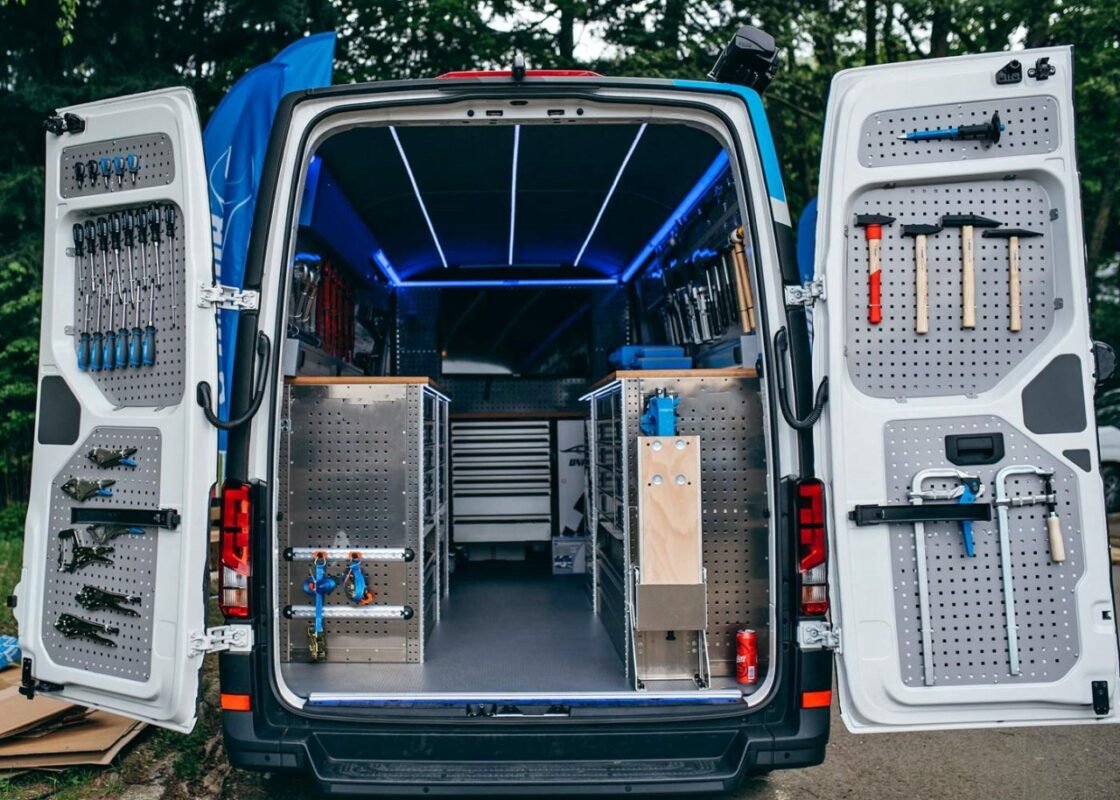
Mobile service work is often won or lost in the minutes between arriving on site and starting the actual task. If tools are buried, parts are scattered, or paperwork takes over the cab, the day becomes a cycle of searching, walking, and reloading. A well-designed van layout reduces those hidden losses by turning the vehicle into a moving workstation where every item has a purpose and a predictable home. The goal is not to pack in more gear, but to make the right gear faster to reach, easier to count, and safer to transport. When the layout supports a repeatable workflow, technicians spend less time staging materials and more time finishing jobs. Over a week, small time savings can add up to extra appointments, fewer return trips, and less end-of-day fatigue.
Layout choices that save minutes
- Start with a workflow map, not a shelf catalog.
Before buying bins and racks, map the sequence of a typical job from arrival to cleanup. Write down what you touch first, what you reach for most often, and what creates delays. Many layouts fail because they are built around storage products rather than the technician’s routine. For example, if the first five minutes usually involve checking the work order, grabbing safety gear, selecting core tools, and staging common parts, those items should be kept near the side door in a single, predictable zone. The van should support a two-step retrieval pattern: grab essentials in one stop, then grab job-specific items in a second stop. That reduces back-and-forth trips around the vehicle. If you also run scheduled fleet work, set up the van so replenishment is simple at the end of the day, with clear locations for restock items and a quick visual check. Some teams even set up a consistent booking and dispatch flow so technicians can book Ford mobile service van with Evansville Ford and align the van setup with the service schedule. A workflow-first approach makes every later choice, from shelving depth to drawer height, much easier and more efficient.
- Zone the van into access levels and job categories.
A practical layout uses zones based on frequency and urgency. Place high-frequency tools and consumables at waist height near the primary door, where your hands naturally go and speed matters most. Medium-frequency items can be stored deeper in shelves or stacked drawers, while rarely used gear can sit higher or farther back. This access hierarchy prevents daily tools from being blocked by occasional items. Next, divide zones by job category so your brain doesn’t have to search as much. Electrical testing gear, fasteners, sealing materials, and cleaning items stay together. A labeled system matters, but labels only work when the layout remains consistent. If two technicians share the van, agreement on where things live is just as important as the storage hardware itself. Consider color-coded bins for categories that span multiple jobs, such as safety, diagnostics, and consumables. The result is a van that feels predictable under time pressure, where you can reach for what you need without stopping to think. Zoning also speeds training for new team members, because they learn a map rather than memorizing a pile of locations.
- Build an efficient parts and consumables strategy.
Parts management is a major driver of jobsite time because missing a small fitting can force an extra trip to a supplier or a second visit to the customer. The van layout should support a lean parts inventory that is based on actual usage, not guesswork. Start by tracking the top items used over the last month, then allocate a dedicated parts wall or drawer stack for those essentials. Use clear bins or drawers so stock can be checked in seconds. Keep refill quantities standardized, such as a set number of each common connector, fuse, filter, or fastener, so restocking is repeatable and does not depend on memory. If your work involves multiple brands or sizes, separate by size first, then by type, to reduce wrong grabs. Add a small staging shelf where parts for the next job can be pulled and set aside before arrival. This simple staging step prevents repeated opening of multiple compartments at the jobsite. Also, plan for returns and cores with a dedicated container, so paperwork and reverse logistics do not mix with clean inventory. A parts strategy that matches the layout keeps the van from becoming cluttered and prevents the slow drift toward disorganization.
Simple layout review routine
An ideal mobile service van layout reduces jobsite time by making every action predictable, safe, and fast. The process starts with a workflow map so the layout matches real tasks, then it uses zones and access levels to keep high-frequency items within easy reach. A disciplined consumables setup prevents missing parts, while ergonomic placement reduces fatigue and keeps movement smooth throughout the day. Lighting, secure storage, and a staging area turn the van into a practical workstation instead of a moving closet. After the layout is built, keep it effective with a weekly review: remove unused items, adjust bins based on actual demand, and reset the van at the end of each shift so the next morning starts clean. Small improvements compound quickly, and a well-organized van supports faster jobs, fewer return trips, and a calmer workday.
