


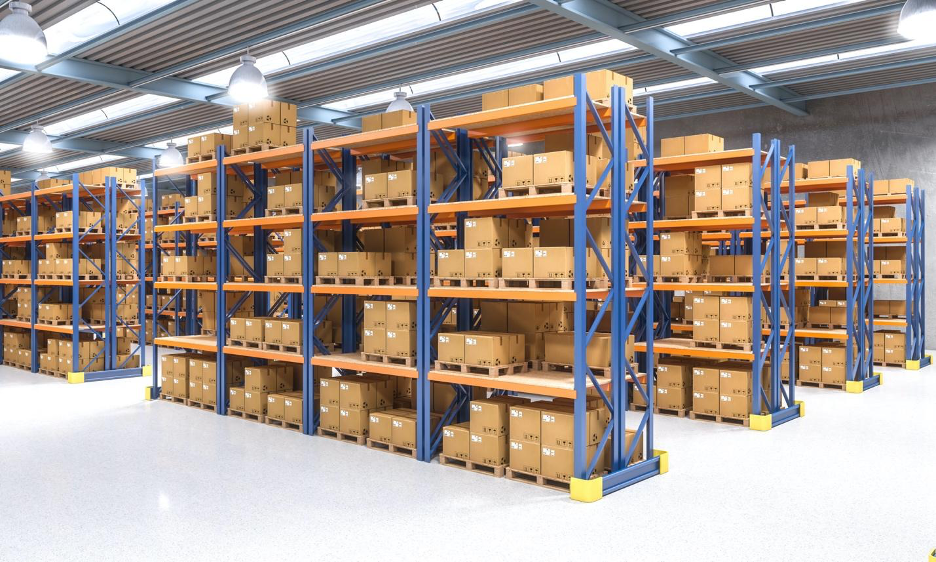
High-density warehouses are built to store more in less space, but the real challenge is keeping daily operations fast and predictable as aisles narrow and vertical storage increases. Racking and storage planning is not only about adding pallet positions. It is about aligning storage methods with how inventory moves, how people pick and replenish, and how equipment turns, lifts, and stages loads. When density increases, small mistakes, such as placing slow movers in prime lanes or designing cross-aisles that pinch traffic, can create recurring delays. A strong plan considers slotting, safety, replenishment rhythms, and the way the building is used during peak weeks. It also anticipates change, since product mix and order profiles rarely stay the same. With the right approach, higher density can reduce travel time and improve organization without creating constant congestion or maintenance issues.
Zoning Layout for High-Volume Movement
- Turning a tight space into throughput
The starting point is building a clear picture of inventory behavior rather than relying on a simple count of pallets. Planners typically classify SKUs by velocity, carton size, pallet type, weight, and handling limits, then map where items should live based on how often they move. Fast movers need easy access and short travel paths, while slow movers can be stored deeper or higher to protect prime locations. Next comes selecting the storage approach. The selective rack gives the most direct access but uses more floor area. Double-deep, push-back, and drive-in increase density but change how replenishment and retrieval work, which can raise dwell time if processes are not tuned. Pallet flow and carton flow can reduce travel and support FIFO patterns, but they require careful lane sizing and load quality to prevent jams. Aisle width is another lever. Narrow aisles increase cube utilization, yet they often require different lift trucks, higher floor flatness standards, and more disciplined traffic rules. Clear height can add capacity, too, but taller racks require greater anchoring, inspection, and lift planning. The goal is to make density serve the work, not trap the work in hard-to-reach locations.
- Designing Rack Zones Around Movement
Once the rack type is chosen, zoning becomes the core of the plan. Dense systems perform better when receiving, reserve storage, forward pick, packing, and shipping are arranged to reduce cross-traffic. If replenishment trucks and pickers fight for the same narrow aisle, throughput drops even when storage capacity is high. A useful tactic is to create distinct travel lanes and controlled crossing points, with cross aisles placed where they reduce travel, rather than where they simply fit. Staging zones must be planned as real square footage, not an afterthought. High-density buildings often fail when temporary pallets are piled into drive lanes, blocking access to reserved locations. Slotting logic should also match the warehouse management system’s location structure so that put-away, replenishment, and cycle counting remain consistent. In some operations, planning even takes into account utility and infrastructure realities that affect layout, such as floor drains, wash-down areas, or process water needs near specific zones. Facilities that run wet processes or handle returns that require cleaning sometimes coordinate solutions, such as Mobile Wastewater Treatment from WesTech Engineering, LLC, to maintain operational continuity without disrupting dense storage layouts. When movement patterns are designed first, and storage is built around them, density becomes speed rather than friction.
- Equipment Fit, Safety Controls, and Maintenance Access
High-density storage magnifies equipment constraints, so planning must match rack geometry to what forklifts and people can reliably do. Mast height, turning radius, load stability, battery swap space, and charging areas all influence whether a proposed aisle layout will function during peak shifts. If the building needs narrow-aisle trucks, the floor must meet tighter flatness tolerances, and the rack must be aligned precisely to prevent repeated impacts. Rack protection matters more as density rises. End-of-aisle guards, column protectors, and pedestrian barriers reduce the chance that one misjudged turn becomes structural damage. Load labels and beam capacities should be visible and kept up to date, especially if the product mix changes. Fire protection planning also becomes more complex with dense storage. Rack height and commodity type can affect sprinkler requirements, flue space requirements, and clearance rules, so coordination with fire design is required. Maintenance access is another practical issue. Lights, sprinkler heads, roof structure, and HVAC components still require service, and a dense layout should include planned routes and procedures to prevent maintenance from requiring emergency rack removal. A safe, dense warehouse is built on hardware and habits, including inspection routines, damage reporting, and clear standards for where pallets may be staged.
Key Moves for Long-Term Performance
High-density racking and storage planning succeeds when it starts with inventory behavior, movement patterns, and equipment realities rather than focusing only on how many locations fit. Slotting by velocity protects prime access for fast movers while pushing slower inventory into deeper or higher storage where it belongs. Rack type selection must match replenishment rhythm and retrieval needs so density does not create repeated delays. Zoning, staging space, and cross-traffic control prevent narrow aisles from becoming daily choke points. Safety planning becomes increasingly important as storage space tightens, requiring rack protection, inspection routines, clear load labeling, and coordinated fire protection design. Flexibility should be built in through modular layouts, hybrid rack zones, and location logic that can adapt when SKU mix changes. When these pieces work together, a dense warehouse can stay organized, fast, and easier to manage through peak seasons and shifting demand, rather than becoming a crowded space that constantly slows operations.
