


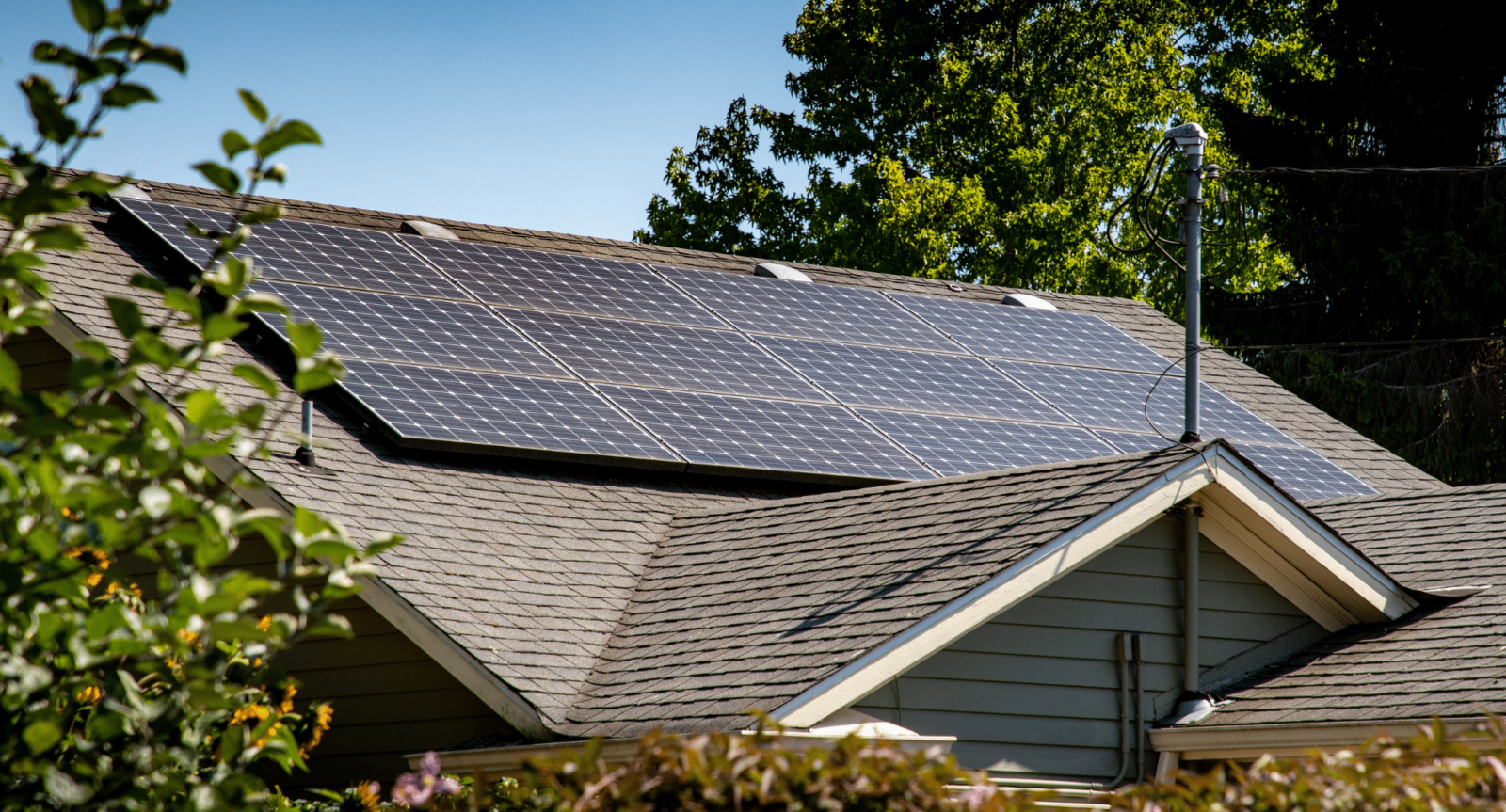
Roof orientation influences how much sunlight panels receive, when they receive it, and how steady production stays across seasons. A solar array is measured not only by its total yearly output but also by the daily curve it produces, because the timing of generation can affect how much energy a household uses directly versus how much it exports to the grid. Two homes with the same panels can see very different results if one roof faces the sun’s strongest path and the other points away from it or falls into shade at key hours. Orientation also interacts with roof pitch, nearby trees, chimneys, and local weather patterns, so a roof that performs well in summer might behave differently in winter. When homeowners understand orientation, they can size systems more accurately and choose placements that match real energy goals, not assumptions.
How Orientation Changes Production
- South, East, and West Facing Roof Planes
In the Northern Hemisphere, a south-facing roof typically receives the most consistent sunlight throughout the day because the sun arcs across the southern sky. That consistency often leads to strong annual production because panels capture high midday intensity and maintain useful output in both morning and afternoon. East-facing panels usually start earlier and ramp up quickly after sunrise, which can align well with morning routines like cooking, showers, and early HVAC runtime. West-facing panels often produce more later in the day, supporting evening loads when people return home, cook, and run appliances. Orientation changes the shape of the output curve, not just the total. A west-leaning array can be valuable in areas where late-day electricity is priced higher, even if total kilowatt-hours are slightly lower than those of a south-facing array. A split design using both east and west roof planes can widen the production window and reduce a steep midday spike, helping households want smoother generation throughout the day. The right choice depends on how the home uses energy and how local billing rules reward timing.
2. Tilt, Sun Angle, and Seasonal Shifts
Roof pitch influences how directly sunlight hits the panel surface, and the impact of tilt changes by season. In summer, the sun sits higher, so a lower tilt can capture strong midday rays effectively. In winter, the sun is lower, so a steeper tilt can make the sunlight more perpendicular, helping winter production when days are shorter. Orientation and tilt work together. A south-facing roof with a reasonable pitch often performs steadily across the year, while an east or west face may excel in one part of the day but drop sooner as the sun moves. On a north-facing roof in the Northern Hemisphere, sunlight is usually less direct, so performance tends to be lower, especially in winter, when the sun’s path is far to the south. That does not mean north-facing panels are always unusable, but it does mean the system may need more modules to achieve the same annual output, and shading becomes even more critical to avoid further losses. Accurate estimates should account for the full year, because a single bright day can mislead homeowners into thinking one roof plane is stronger than it is over time.
3. Shade and Obstructions Can Override Orientation
Orientation sets the baseline, but shade often decides the final result. A south-facing roof shaded by a chimney, dormer, or tall tree during key hours can lose more energy than a clean east- or west-facing roof with full sun. Even partial shading can reduce output because shaded sections cool differently and interrupt current flow, especially on older string-based designs. Modern systems can reduce some shading losses with module-level electronics, but they still cannot create sunlight where it is blocked. This is why designers map shade throughout the year, including winter mornings and late afternoons when shadows are long. In many neighborhoods, the practical decision is not only which direction faces the sun, but which roof plane stays clear of obstructions the longest. Homeowners also need to consider future shading, like trees that will grow taller or planned additions that could cast new shadows. The phrase “North Valley Solar Power near Danville” often comes up in local conversations as a reminder that site-specific shading can matter as much as direction, because the sun path is predictable but obstacles vary from roof to roof. A clear roof plane with slightly less ideal orientation can outperform a perfectly oriented roof that is frequently shaded.
Roof orientation affects solar panel output by changing how long panels receive direct sunlight, how intense midday exposure is, and how the daily production curve aligns with household use. South-facing roofs in the Northern Hemisphere often produce steady energy throughout the day, while east- and west-facing roofs shift production toward morning or evening. Tilt and seasonal sun angles affect these outcomes, especially in winter, when sunlight is lower, and shading is longer. Real-world obstacles like chimneys, trees, and roof features can reduce output enough that a less ideal orientation performs better if it remains clearer. When orientation is chosen with shade patterns, energy habits, and billing rules in mind, the system tends to produce not only strong totals, but more useful power at the right times.
