


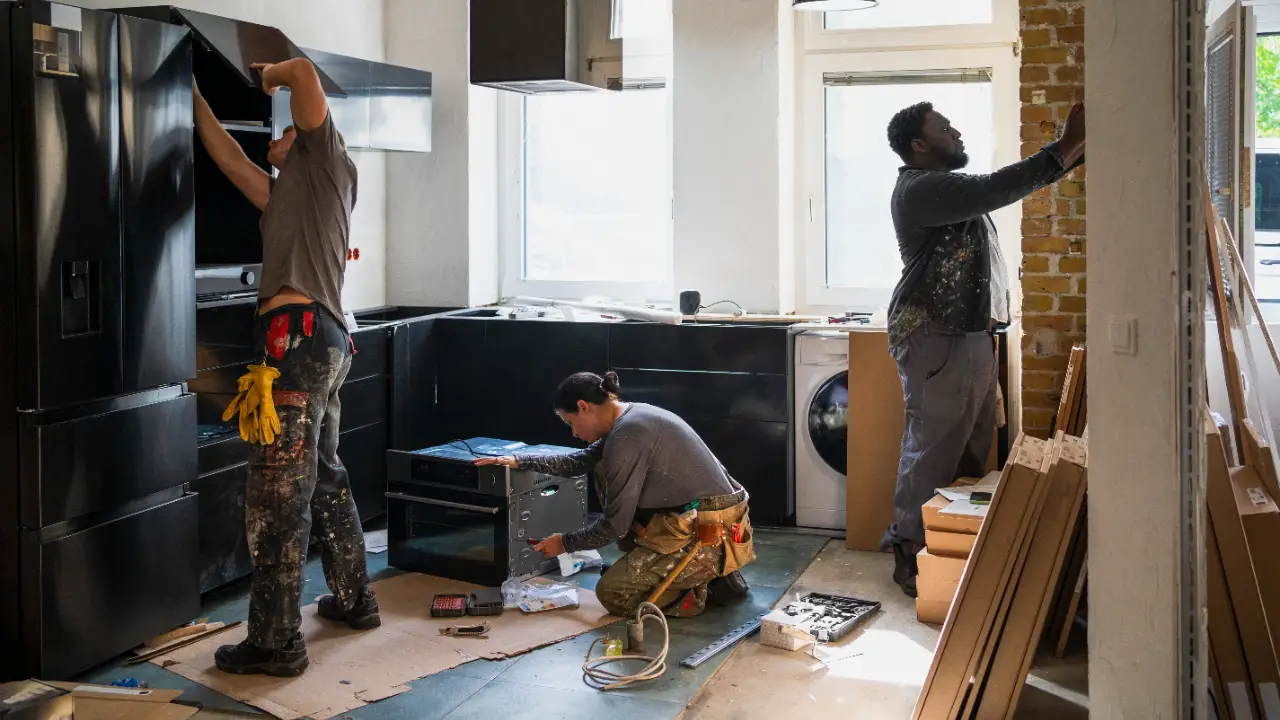
Home renovations can make a house look brand new while quietly changing how air moves from room to room. A new open-concept layout, added insulation, replaced windows, or a finished addition can shift pressure patterns and airflow needs, even if the HVAC equipment remains the same. Many homeowners notice comfort issues only after the project is complete, such as bedrooms that feel stuffy, a living room that runs warmer than the thermostat setting, or rooms that take longer to cool. These problems often come from airflow imbalance rather than equipment failure. Airflow balancing is the process of measuring, adjusting, and verifying how much conditioned air each room receives, so the system matches the new layout and envelope performance. When balancing is done after renovations, comfort becomes more consistent, and the system runs more predictably.
Balance the home after changes.
- Why renovations disrupt air distribution
Renovation work can change the house in ways that affect HVAC performance, even if no ductwork is touched. New insulation reduces heat gain and loss, which changes how much airflow a space needs. Window upgrades can reduce drafts, but they can also reduce natural leakage that previously relieved pressure imbalances. Adding doors, closing off arches, or creating new walls can block return pathways and trap air in rooms when doors are shut. Finishing a basement or adding a room can increase the total conditioned area, but the existing duct system may not have been sized for the new load. Even changing flooring can affect how rooms feel, because surfaces influence perceived temperature. Renovations also create dust that can clog filters and coat coils, reducing airflow and worsening imbalances. Another common issue is contractor work around vents, such as painting over grilles, partially blocking registers with built-ins, or moving furniture layouts that restrict air throw. When these changes stack up, homeowners may blame the thermostat or the equipment, but the core issue is often distribution. Airflow balancing begins by acknowledging that the house is now a different system from before the renovation, so the HVAC must be tuned to match current conditions.
- Measuring airflow, static pressure, and room performance
Balancing should be based on measurement rather than guesswork. Contractors typically begin by checking total system airflow and static pressure, because a system operating outside normal pressure ranges may struggle to deliver air evenly. High static pressure can indicate restricted ducts, undersized returns, clogged filters, or dirty coils. Once system health is confirmed, room-level measurements help identify which spaces are receiving too much or too little air. This can include airflow readings at supply registers, temperature differences between rooms, and pressure testing with doors closed to see whether rooms become pressurized or depressurized. Bedrooms often show issues first because closed doors can block return airflow, causing the room to feel stagnant. A balancing visit may also include duct leakage checks, because leaks in attics or crawl spaces steal airflow and reduce comfort in distant rooms. Homeowners working with a Sebastian HVAC contractor often find that the most useful part of balancing is the data, because it replaces opinions with numbers that show where the system is losing performance. Measurement also helps avoid overcorrecting by closing registers randomly, which can increase static pressure and reduce overall system airflow. When technicians systematically track room performance, they can develop a plan to improve comfort without stressing the equipment.
- Adjustments that improve balance without harming the system
Once the problem areas are identified, balancing adjustments should follow a careful order. First, address restrictions that reduce total airflow, such as dirty filters, blocked returns, crushed flex duct, or closed dampers. Next, check the supply distribution and adjust balancing dampers if available, or use register dampers with caution while monitoring pressure. It is important not to close too many registers, because that increases static pressure and can reduce efficiency while increasing noise. In homes with return path issues, adding transfer grilles, jump ducts, or additional returns can reduce pressure buildup in closed rooms and improve air mixing. Another adjustment is to seal duct leaks, especially at plenums, boots, and attic connections, where conditioned air can escape. Sometimes the fix is not a damper change but a diffuser change, because grille type and throw pattern influence how air circulates in a room. Renovations that add larger rooms or higher ceilings may require different supply strategies to avoid hot and cold layering. If the renovation significantly changed the load, the system may need an adjustment to the blower setting or a duct modification to deliver the correct airflow. The goal is to increase comfort while keeping the system within safe static pressure limits. A balanced system should feel quieter, more even, and less prone to short cycling because it can deliver air efficiently where it is needed.
Comfort returns after renovation changes
HVAC airflow balancing after home renovations restores comfort by matching air distribution to the new layout, insulation levels, and pressure pathways created by the project. Renovations can disrupt supply and return performance through tighter envelopes, changed room configurations, and hidden restrictions from dust or blocked vents. Measurement-based balancing identifies where airflow is low, where pressure issues occur, and whether static pressure is within safe limits. Targeted adjustments, such as duct sealing, return-path improvements, and careful damper tuning, improve room consistency without stressing the system. Verification testing and ongoing maintenance keep results stable across seasons and protect efficiency. After renovations, the home feels more even, quieter, and easier to maintain at a steady thermostat setting.
<iframe src=”https://www.google.com/maps/embed?pb=!1m14!1m8!1m3!1d14121.470737278505!2d-80.4443052!3d27.7676428!3m2!1i1024!2i768!4f13.1!3m3!1m2!1s0x88de5d7519de062d%3A0x3db34c2021336e0b!2sAir%20Docs%20Heating%20%26%20Cooling!5e0!3m2!1sen!2s!4v1727972102457!5m2!1sen!2s” width=”600″ height=”450″ style=”border:0;” allowfullscreen=”” loading=”lazy” referrerpolicy=”no-referrer-when-downgrade”></iframe>
