


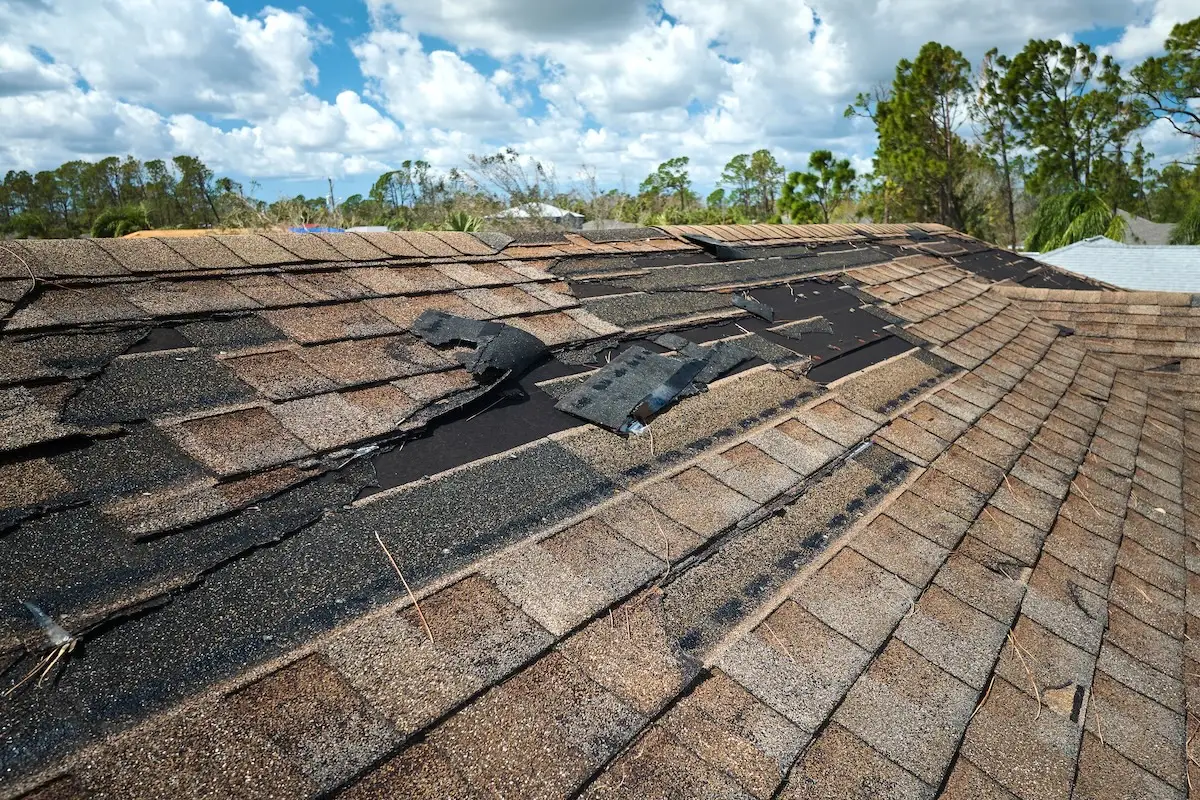
A roof can look intact from the parking lot and still be developing a serious moisture problem underneath. That is where many costly surprises begin.
Property managers and building owners often wait for a visible interior leak before calling for a deeper inspection, but roof decking damage usually starts much earlier. Moisture can collect, linger, and weaken the deck long before water stains show up on ceiling tiles or walls. By the time a leak becomes obvious, repair options are often narrower and more expensive. Early warning signs matter because they help teams act while the issue is still localized and before structural deterioration spreads.
Moisture Intrusion Often Starts Unseen
- Why Decking Damage Starts Quietly
Roof decking lies beneath the visible roofing material, making it easy to overlook during routine property checks. Shingles, membranes, flashing, and coatings may still appear serviceable while moisture is already affecting the substrate below. Small breaches, repeated condensation cycles, trapped humidity, or aging roof details can allow moisture to build gradually without producing immediate interior leaks.
That delayed visibility is what makes decking damage a budget problem. The roof may continue shedding most rainwater effectively, yet localized moisture intrusion can slowly soften wood decking, corrode fasteners, or weaken attachment points. In commercial and multi-unit settings, damage can remain hidden for multiple seasons, especially when mechanical noise, insulation, and ceiling assemblies mask early signs to occupants and maintenance staff.
- Surface Clues Often Tell The Story
Early warning signs usually appear as performance changes and subtle exterior clues rather than dramatic failures. Roof surfaces may begin to show irregular wear patterns, waviness, blistering in some systems, or localized areas that seem to age faster than surrounding sections. Those changes do not always mean the deck is damaged, but they often indicate moisture is affecting materials below the surface.
A property team working with a Roofing Contractor Joliet may receive recommendations for targeted test cuts or moisture mapping, even when no active leak is visible inside. That is not overcautious maintenance. It is often the fastest way to confirm whether the roof assembly is holding trapped moisture that could damage the decking if left untreated through another weather cycle.
- Soft Spots Under Foot Matter
One of the clearest field indicators is a change in the roof feel underfoot during inspection. Trained roofing crews can often detect subtle soft spots, flexing, or spongy areas that suggest moisture-related deck deterioration beneath the membrane or shingles. These spots may be limited to small sections around penetrations, seams, valleys, drains, or transitions, but they deserve attention because they can expand over time.
For facility managers, this is a practical issue rather than a technical detail. A soft section can affect worker safety during service visits, reduce the reliability of future repairs, and signal that fasteners or attachments are no longer holding as intended. Even if the roof surface remains mostly intact, weakened decking changes how the roof responds to wind, ponding, and temperature shifts.
- Fastener Backout Can Signal Moisture Movement
Fasteners that loosen, back out, or lose holding strength can be an early warning sign of moisture damage in roof decking. When decking material repeatedly absorbs and releases moisture, it can swell and contract, gradually reducing the grip around nails or screws. Over time, that movement may create surface irregularities, lifted areas, or recurring maintenance issues that seem unrelated at first glance.
This pattern is especially important on roofs with a history of repeated patching. If the same section needs attention repeatedly, the visible roofing material may not be the real problem. The substrate beneath it may have lost stability. Contractors inspect for fastener patterns and attachment performance because deck moisture damage often shows up in how the roof assembly holds together before it becomes a clear leak path inside the building.
- Interior Odors And Humidity Complaints
Not every early warning sign starts on the roof itself. Building occupants may report musty odors, stale air, or persistent humidity issues in upper-floor spaces long before a visible leak appears. While HVAC conditions, insulation gaps, and ventilation issues can also contribute, roof-related moisture should be part of the discussion when complaints cluster in areas below roof penetrations or roof transitions.
Property managers often treat these reports as comfort issues first, which is understandable. But when moisture enters in small amounts and becomes trapped in roofing layers or decking, the building may begin showing indirect signs before water reaches interior finishes. A strong maintenance approach connects occupant feedback with roof inspection findings, rather than waiting for stained ceilings to confirm what has already been developing above.
- Staining Around Penetrations Without Drips
Roof penetrations are common starting points for hidden moisture intrusion. Vents, curbs, skylights, conduits, and mechanical supports create interruption points in the roof assembly, and these details age at different rates than the field membrane or surrounding shingles. Early decking moisture damage may begin near these locations even when no active dripping is seen indoors.
Watch for subtle staining, rust marks on nearby rooftop components, sealant degradation, or recurring surface repairs around the same penetration. These are often signs that water is entering intermittently and drying slowly rather than pouring in during every storm. Intermittent intrusion can be more deceptive than a major leak because it gives property teams a false sense of stability while the deck continues to weaken underneath.
Early Warning Signs Reduce Bigger Losses
Roof decking moisture damage rarely announces itself with one obvious event. It usually develops through small failures, repeated exposure, and delayed detection. That is why facility teams and building owners benefit from treating subtle roof and interior changes as meaningful indicators rather than mere annoyances.
A roof can still function while the deck beneath it deteriorates. Catching that distinction early protects budgets, preserves repair flexibility, and lowers the chance of emergency leaks that disrupt operations. The strongest maintenance decisions are often made before water reaches the ceiling, when the signs are quieter, but the repair path is still manageable.
