


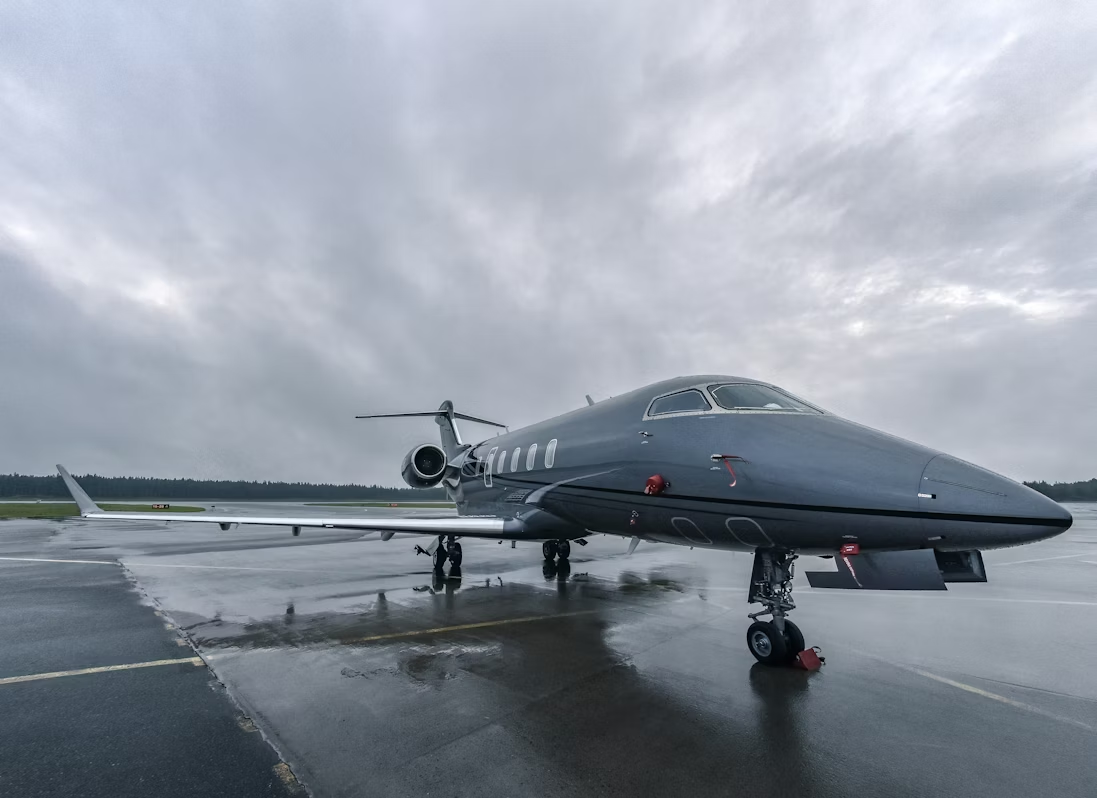
Parking an aircraft outdoors for any length of time introduces a series of environmental and mechanical challenges that require ongoing attention. Exposure to sunlight, temperature changes, moisture, wind, and debris can gradually affect both external surfaces and internal systems. Even short periods of inactivity can create conditions that lead to unnecessary wear, corrosion, or performance issues once the aircraft returns to operation. For operators who must rely on outdoor parking due to space limitations or logistical needs, consistent maintenance practices are essential. By adopting structured procedures and using proper tools, it becomes possible to protect the aircraft, preserve airworthiness, and reduce long term maintenance costs.
Minimizing Environmental Exposure Through Protective Covering
Environmental exposure is the most immediate concern for aircraft parked outdoors. Sunlight can fade paint, weaken composite materials, and overheat interior components. Rain and humidity contribute to corrosion, while wind can introduce abrasive dust and debris. Protective coverings designed specifically for aviation use serve as a frontline defense in these conditions. Fuselage and wing covers shield large surface areas from ultraviolet exposure and precipitation. Window covers prevent cockpit instruments and interior surfaces from degrading under strong sunlight. Engine inlet plugs protect vulnerable openings from insects or airborne contaminants. When fitted correctly, covers remain secure even in variable weather, reducing wear and preserving structural integrity. Regular inspection of these coverings ensures that small tears or weak points are addressed before they compromise protection.
Preserving Engine Condition During Extended Grounding
Aircraft engines require consistent care even when the aircraft remains stationary. Moisture can accumulate rapidly within engine components, leading to corrosion that may not be visible until damage becomes significant. Operators often use desiccants, dehydrator plugs, or sealed coverings to regulate humidity levels within the engine. These tools limit moisture intrusion and reduce the likelihood of internal oxidation. Periodic engine rotation, when permitted under manufacturer guidelines, helps disperse lubricants across internal surfaces and prevents dry spots from forming. Some operators integrate monitoring tools such as shockbox test equipment to evaluate the engine’s condition and verify that no performance issues have developed during downtime. Even limited preventive steps can significantly reduce future repair needs and ensure readiness when the aircraft is returned to service.
Maintaining Landing Gear Stability and Tire Integrity
The landing gear supports the entire aircraft while it sits outdoors, making it especially vulnerable to environmental and mechanical stress. Tires exposed to prolonged sunlight can suffer from surface cracking and pressure decline. Tire covers provide essential protection by blocking ultraviolet light and stabilizing temperature fluctuations. Operators should regularly check tire pressure and reposition the aircraft slightly to prevent flat spots caused by extended weight in a single position. Moisture around the wheel assembly can affect brake components and seals, making it important to park the aircraft on stable, dry surfaces. If the aircraft will remain parked for an extended period, weight distribution pads may be used to reduce stress on landing gear components. Routine inspection of struts, fittings, and seals helps maintain overall ground safety and structural balance.
Protecting the Cabin and Avionics from Heat and Moisture
The aircraft cabin often endures the greatest temperature variation during outdoor storage. Heat buildup, humidity, and lack of ventilation can influence avionics reliability, interior materials, and upholstery durability. Using sunshades or reflective window coverings helps regulate cabin temperature and prevent fading of interior surfaces. Moisture absorbing products help stabilize humidity levels, reducing the risk of mold, mildew, and condensation. Avionics, in particular, benefit from a stable environment, as fluctuating conditions can affect circuitry and calibration. Periodically opening the cabin for ventilation helps equalize air conditions and prevent stale or damp odors from developing. Regular interior checks also allow operators to identify early signs of wear or moisture intrusion before they escalate into repair needs.
Conducting Routine Inspections and Ongoing Care
Even when an aircraft is not in active use, it must follow a consistent inspection schedule. Routine checks include reviewing exterior surfaces for corrosion, verifying that all access panels and covers remain secure, and ensuring that no wildlife activity has occurred around the aircraft. Control surfaces should be examined for stiffness, debris buildup, or environmental impact. Fuel tanks should be monitored for water contamination, especially in humid or coastal environments. Lubrication of moving components prevents binding and reduces the impact of extended inactivity. Operators also benefit from documenting each inspection to track changes over time and identify patterns that may require additional attention. This structured approach greatly improves long term condition and reduces the likelihood of unexpected maintenance tasks.
Conclusion
Outdoor aircraft parking requires a diligent and proactive maintenance strategy to counteract environmental exposure and mechanical stagnation. By using protective coverings, preserving engine health, supporting landing gear stability, protecting cabin and avionics systems, and conducting routine inspections, operators can maintain their aircraft in dependable condition throughout the storage period. These best practices help ensure that the aircraft remains safe, structurally sound, and ready to return to operation with minimal additional maintenance. With thoughtful preparation and consistent oversight, outdoor parking becomes far more manageable and less likely to compromise long term performance.
