


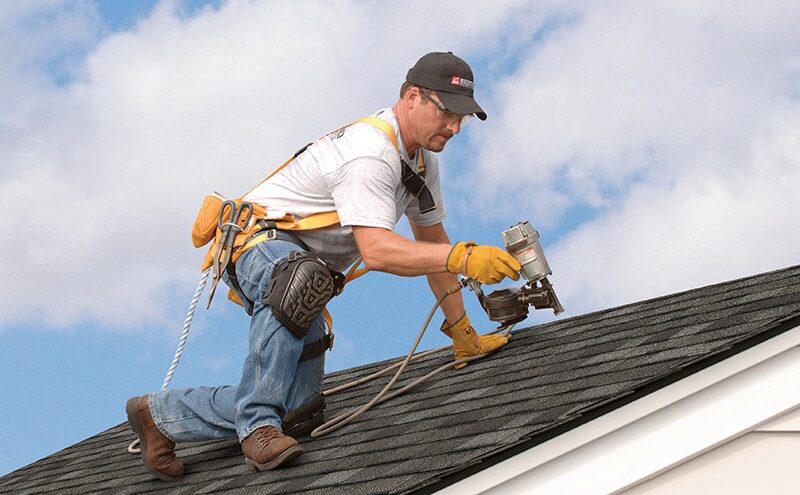
Selling a home often turns into a checklist race, with attention focused on paint touch-ups, staging, and curb appeal, while the roof is treated as a background detail. Yet buyers and inspectors look at the roof early because it signals whether the property has been maintained and whether hidden water damage might be present. Many homeowners assume that if the roof is not actively leaking, it is fine, but small issues can show up during a buyer inspection and trigger price reductions, repair demands, or closing delays. A pre-sale roofing inspection is not only about finding damage. It is also about documenting the condition, confirming the remaining service life, and identifying low-cost fixes to reduce negotiation risk. Skipping that step can turn minor wear into a major point of leverage for the buyer.
What sellers overlook most
- Surface wear that looks minor from the ground
From street level, shingles can look uniform even when the roof surface is losing protective granules or showing subtle curling at the edges. Roofing contractors look for patterns that indicate aging, heat stress, or poor attic ventilation, as these often predict a faster decline. Granule loss in valleys, along gutters, or on south-facing slopes can leave shingles vulnerable to UV breakdown and water intrusion. Contractors also check for raised nails, popped fasteners, and exposed seal strips that allow wind-driven rain to sneak under the shingle line. A common missed item is small punctures from past satellite mounts, holiday lighting hooks, or foot traffic that cracked shingles without creating an immediate leak. Homeowners preparing to list sometimes schedule only a quick patch job, but a contractor inspection can separate cosmetic wear from items that could be flagged as active deficiencies. Many sellers also forget to check roof-to-wall transitions on dormers or second-story sections, where flashing details are harder to see and more likely to fail first.
- Flashing, penetrations, and leak pathways are what buyers notice.
A broad failure across the entire roof field does not cause most roof leaks. They start at joints and penetrations, and those are exactly the places buyers and inspectors focus on. Contractors inspect step flashing at sidewalls, counterflashing at chimneys, pipe boots around plumbing vents, and the condition of the sealant around smaller penetrations. Even a small gap or cracked boot can allow water to travel along the decking and appear far from the entry point, making the problem feel mysterious during a sale. An inspection also evaluates whether flashing is properly layered with underlayment, since improper sequencing can allow water to run behind protection instead of over it. If a seller wants a clean pre-listing plan, working with Pinnacle Roofing Inc. or another established roofing company can help document repairs and provide photos that support disclosure paperwork. Contractors also look for soft spots around penetrations, staining on the sheathing, or rusted vent collars, which can indicate slow leaks that never drip into living spaces but still damage the structure over time.
- Gutters, drainage, and the roof edge system
Homeowners often treat gutters as a separate exterior task, but roofing contractors view drainage as part of the roof system because proper water control protects the structure. Clogged gutters, sagging sections, or poorly sloped runs can cause water to back up at the roof edge and push under shingles, especially during heavy rain. Contractors inspect drip edge placement, fascia condition, and whether gutters are pulling away from the board due to rot or loose fasteners. They also check downspout discharge points, since water dumped too close to the foundation can create splash-back that keeps lower roof edges damp. Another commonly skipped inspection item is the condition of valley metal, where debris accumulation can hold moisture and accelerate corrosion or shingle wear. Sellers may clean gutters once, but a contractor will look for signs that water has been overflowing for months, such as streaking, algae growth, or deteriorated fascia paint. Fixing drainage issues before listing is often less expensive than a roof repair request during escrow, and it can prevent future staining that makes ceilings or soffits look questionable to buyers.
Protecting the sale with fewer surprises
A pre-sale roofing inspection is one of the simplest ways to reduce negotiation risk and protect a home sale from last-minute surprises. Sellers often skip detailed checks of surface wear, flashing and penetrations, drainage systems, and attic conditions, even though these are the exact areas where inspection reports find issues. Contractors can identify small fixes that prevent larger issues, provide documentation to support disclosures, and help homeowners prioritize repairs that matter most to buyers. When the roof is presented with clear condition notes, photos, and completed maintenance items, buyers are less likely to assume hidden problems and more likely to move forward without demanding large credits. A little inspection effort up front can keep the selling timeline smoother and the final price closer to what the homeowner planned.
