


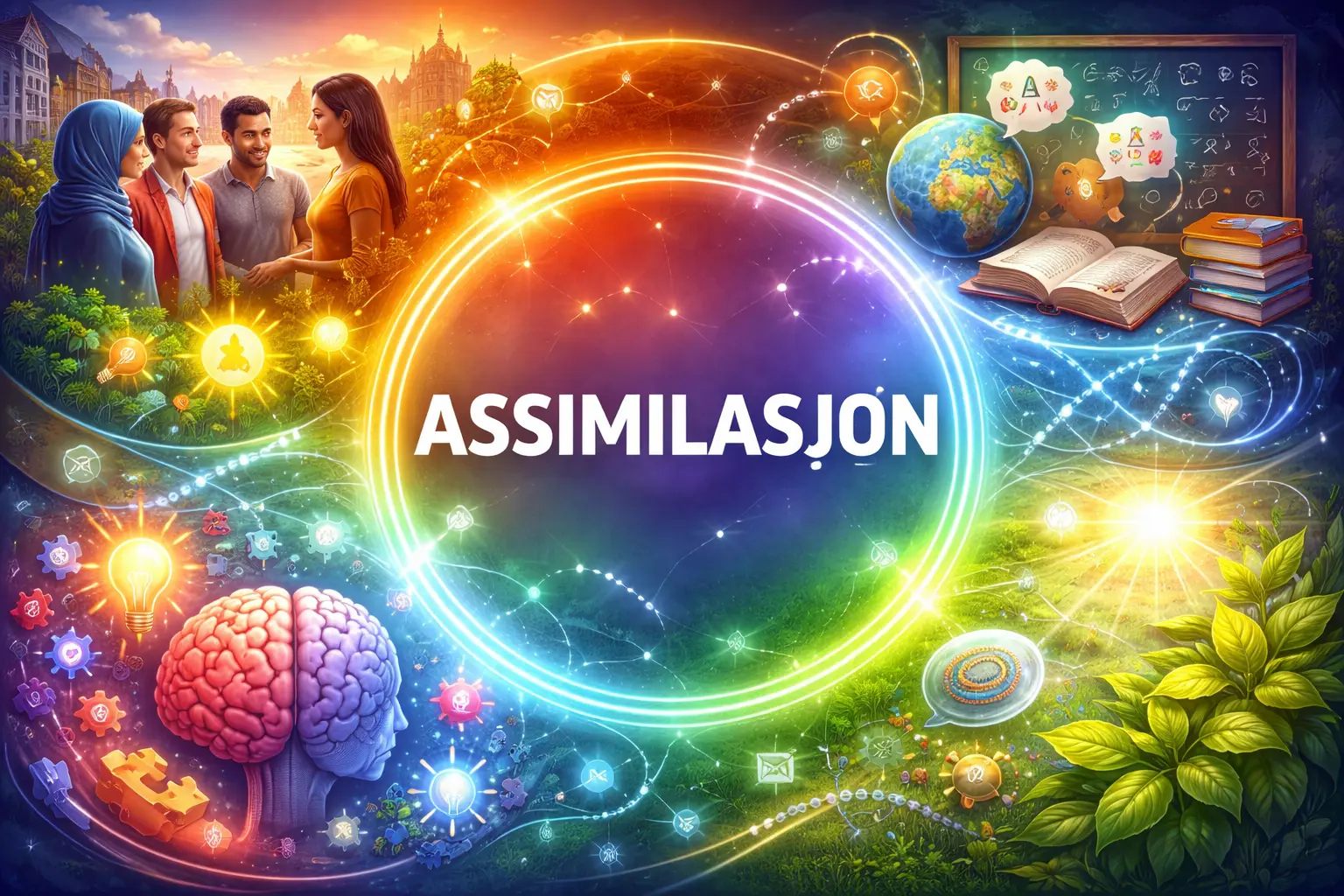
Assimilasjon is a concept that appears across multiple disciplines, each offering a unique perspective on how individuals, groups, or elements adapt, integrate, or change to become part of a larger system. From cultural adaptation to language changes, biological processes, and cognitive development, assimilasjon plays a crucial role in shaping human behavior, communication, and growth. In this article, we will explore the various facets of assimilasjon, its significance, and how it manifests in different contexts.
What Does Assimilasjon Mean?
At its core, assimilasjon refers to the process of becoming similar or integrating into a larger whole. The term originates from Latin assimilare, meaning “to make similar.” In everyday language, assimilasjon can describe anything from cultural adaptation to the incorporation of new information into existing knowledge. The concept emphasizes adjustment and integration, where differences gradually diminish, resulting in a more cohesive and unified system.
Cultural Assimilasjon: How Societies Adapt and Integrate
One of the most common contexts where assimilasjon is discussed is sociology and cultural studies. Cultural assimilasjon occurs when individuals or groups adopt the norms, values, behaviors, and language of a dominant society. This process can be voluntary, such as immigrants learning the language and customs of their new country, or it can be influenced by social pressures and policies that encourage conformity.
Cultural assimilasjon is not always uniform. While some groups may fully adopt the dominant culture, others retain aspects of their original identity while integrating selectively. This nuanced process affects education, workplace dynamics, and social interactions. For instance, a family may adopt local customs while continuing to celebrate traditional festivals at home. Understanding cultural assimilasjon helps policymakers, educators, and communities foster social cohesion without erasing diversity.
Linguistic Assimilasjon: The Science of Sound Change
In linguistics, assimilasjon describes a phonological process where one sound becomes similar to an adjacent sound. This phenomenon occurs in many languages and serves to make speech easier and more efficient. For example, in English, the word “input” is often pronounced with the “n” sound adapting to the following “p,” making it sound closer to “imput.”
Linguists classify assimilasjon into different types, such as progressive and regressive. Progressive assimilasjon happens when a sound influences the one that follows, while regressive assimilasjon occurs when a sound is affected by the one that comes after it. This process is natural and widespread, illustrating how language evolves to accommodate ease of pronunciation and fluency in conversation.
Biological Assimilasjon: Nutrients and Growth
In biology and physiology, assimilasjon refers to the process by which living organisms absorb and utilize nutrients. After digestion, food molecules are broken down and then assimilated into cells to provide energy, build tissues, and support growth. In plants, assimilasjon involves converting nutrients obtained through roots and photosynthesis into usable cellular material.
This type of assimilasjon is vital for survival, as it enables organisms to transform raw materials into functional components. Understanding biological assimilasjon allows scientists to study nutrition, metabolism, and the efficiency of energy use in both animals and plants.
Cognitive Assimilasjon: Learning and Mental Adaptation
In psychology, assimilasjon is an essential concept in cognitive development. Jean Piaget, a prominent psychologist, described assimilasjon as the process of interpreting new information based on existing cognitive structures. When a child encounters a new object or idea, they attempt to integrate it into what they already know without changing their existing mental frameworks.
For example, if a child knows what a dog is and then sees a new breed, they may assimilate this new experience into their existing concept of dogs. This form of assimilasjon highlights the adaptive nature of human cognition, where learning is a dynamic process of integrating new knowledge with what is already understood.
Assimilasjon in Everyday Life
Beyond academic definitions, assimilasjon is part of daily life. When people move to a new city, start a new job, or learn a new language, they experience forms of assimilasjon. Socially, individuals adapt to local customs, workplace norms, and communication styles. Even hobbies and lifestyle choices reflect a degree of assimilasjon as people integrate new practices into their routines.
Recognizing assimilasjon in everyday life helps individuals navigate change more effectively. It also promotes empathy and understanding in multicultural societies, where different levels of adaptation coexist.
Challenges and Criticisms of Assimilasjon
While assimilasjon has clear benefits in promoting unity and cohesion, it is not without criticism. Cultural assimilasjon can sometimes lead to the loss of unique identities and traditions, creating tension between maintaining heritage and adopting new norms. Linguistic assimilasjon can also obscure historical language forms, affecting the preservation of dialects.
In cognitive and educational contexts, too much emphasis on assimilasjon without accommodating diverse learning styles may limit creativity and critical thinking. Understanding these challenges ensures that assimilasjon is approached thoughtfully, balancing integration with respect for diversity.
Conclusion
Assimilasjon is a multifaceted concept that touches culture, language, biology, and psychology. Whether it is the integration of individuals into society, the adjustment of sounds in speech, the assimilation of nutrients in the body, or the incorporation of new knowledge into existing cognitive frameworks, assimilasjon reflects the dynamic process of adaptation and integration. Recognizing and understanding this process allows individuals, communities, and educators to navigate change, promote learning, and foster social cohesion while respecting diversity.
Assimilasjon is not merely a theoretical term; it is a practical and essential part of human experience, influencing how we communicate, grow, and coexist with others.
FAQs about Assimilasjon
1. What is assimilasjon?
Assimilasjon is the process of becoming similar or integrating into a larger system, whether culturally, linguistically, biologically, or cognitively.
2. How does cultural assimilasjon occur?
It occurs when individuals or groups adopt the norms, language, and values of a dominant society, often balancing adaptation with preservation of heritage.
3. What is linguistic assimilasjon?
Linguistic assimilasjon is when one sound in a word changes to resemble an adjacent sound, making speech more fluid and easier to pronounce.
4. Why is biological assimilasjon important?
Biological assimilasjon allows organisms to convert absorbed nutrients into energy and cellular material, essential for growth and survival.
5. How does cognitive assimilasjon work?
Cognitive assimilasjon involves integrating new information into existing mental structures, helping individuals learn and adapt to new experiences.
Also Read: cnlawblog
